

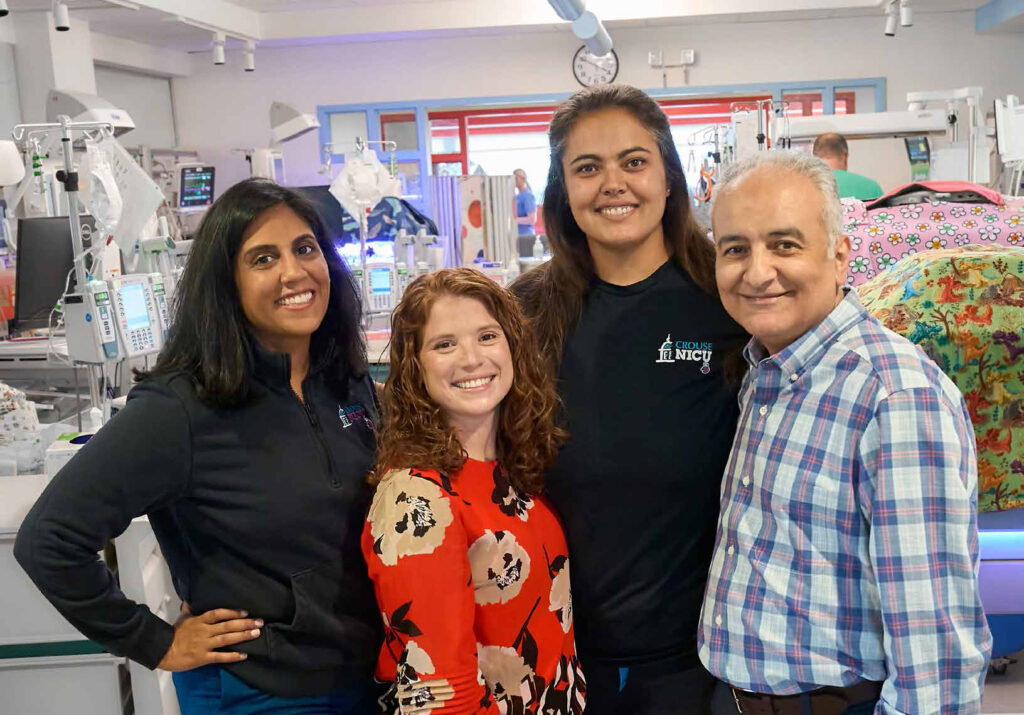
There are a lot of moving parts in developing and s ustaining a Level IV neonatal intensive care unit; at Crouse, it’s not only their deliveries that rely upon the NICU, but also babies from 17 hospitals across a 14 county region that spans the Canadian to Pennsylvania borders and from Albany to Rochester. Through its Regional Perinatal Center, Crouse also provides services for the region’s high-risk obstetrics. Crouse has the busiest labor and delivery unit in Central New York, welcoming more than 3,000 babies annually. The NICU serves about 900 babies annually, which includes 300 babies transferred in from the 17 regional hospitals. Staff care for an average of 56 babies daily. The average stay is about 33 days.
First in women’s and infants’ health
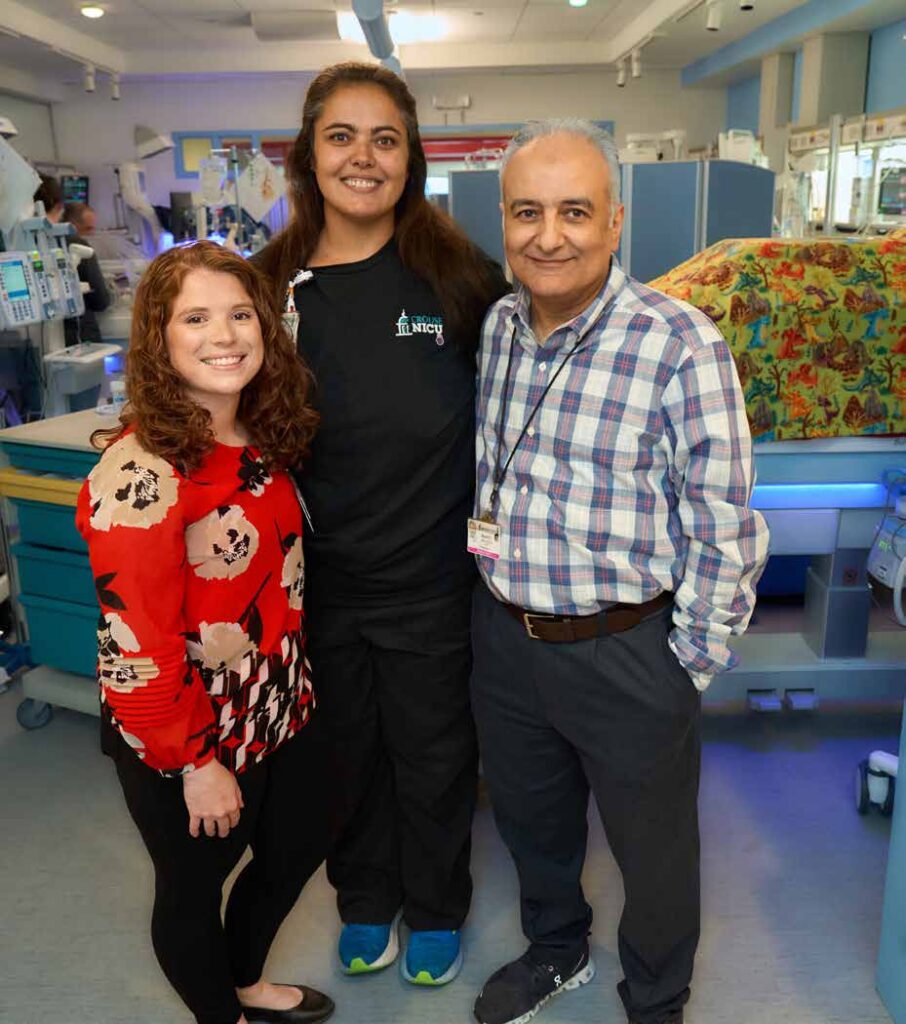 Seth Kronenberg, M.D., President and Chief Executive Officer for Crouse Health, said Crouse started as a women’s and infants’ hospital 140 years ago, making it one of its core services. “We’ve been the Regional Perinatal Center since the 1970s, and we’ve always been the market leader in obstetrics and NICU. We have a saying that ‘those with low-risk pregnancies can have great experiences at Crouse, but those with high-risk pregnancies can rest assured that the time from their baby’s birth to the time they see a NICU doctor is reduced, and the shorter that timeframe, the better the outcome.’”
Crouse recently was awarded a grant from the state Health Department to help modernize and expand the NICU, as well as other areas. “We’re working on the architectural drawings, with a plan to deliver stronger, more accessible support to our entire 14-county region,” Kronenberg said. “We’re excited to have more capacity and space and continue to have the latest and greatest technology.” He said Micron will cause an influx of people, which will skew younger. “Maternity is going to be a big part of that, and with fertility treatment access, we’re going to see more multiples. We’re anticipating continuing growth in obstetrics.”
Level IV NICU designation requires full-time onsite subspecialty care, complex imaging capability, and ability to perform major surgical procedures. “We offer complete surgical and medical support to the sickest babies,” said Dr. Boura’a Bou Aram, Medical Director, Neonatal Associates of Central New York. “We’re the ultimate destination for the most complicated cases.”
Crouse is the only NICU in the region that guarantees round the-clock boardcertified neonatologist support. When a regional doctor needs a direct link to a neonatologist in an emergency, they can speak to one immediately. “When a life is on the line, you want a direct line, 24/7,” Bou Aram said.
Crouse’s isolettes monitor and control temperature, oxygen, humidity and light, as well as a neonatal transport team that can pick up a baby born in any of its 17 regional hospitals, utilizing one of these highly specialized isolettes to help deliver treatment in a controlled environment during the return trip. “You want your team to arrive able to start
treatment,” Kronenberg said.
Sicker moms, sicker babies
“We can have NICU staff in the delivery room if the baby is born here,” Kronenberg said. The hospital is seeing increasingly premature infants and more multiples. Obesity and diabetes have resulted in sicker moms, which can lead to babies being born more premature and ill. Babies are getting smaller and equipment is getting bigger. “We need to expand to meet those demands,” Kronenberg said, adding that the NICU is seeing more micropreemies – really premature babies who require a tremendous amount of lung support. “The NICU isolettes monitor temperature, humidity and light at a level that didn’t exist years ago.”
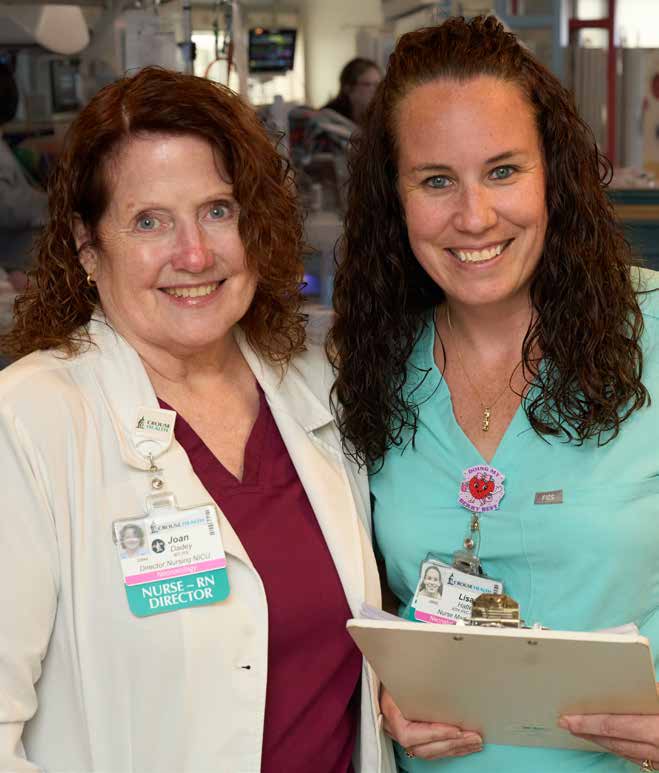
Director of Nursing Joan Dadey said neonatology is a relatively new field of medicine that has come a very long way since the 1970s. “Even since the 1990s and early 200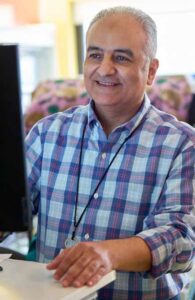 0s, medication called surfactant was developed, which helps lungs absorb and transport oxygen,” she said. Some of the most impressive gains have been around ventilation therapy and ways to support the development of preterm babies’ lungs, which are the last things to develop.
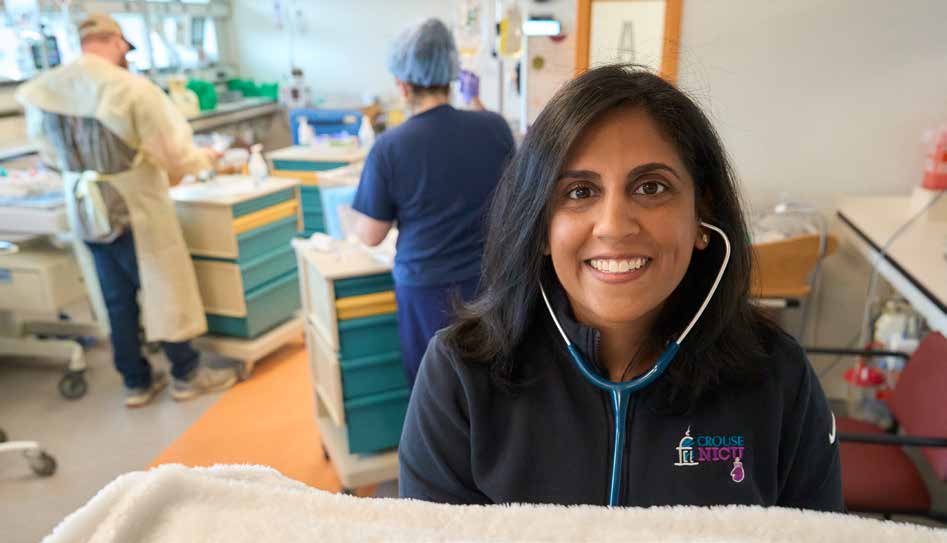
“We are getting better at our craft every year,” said Nurse Manager Lisa Hatter. “Our babies are a lot sicker than they used to be. Babies we couldn’t save 20 years ago can be saved now. Our technology is amazing.”
Loving care in a high-tech environment
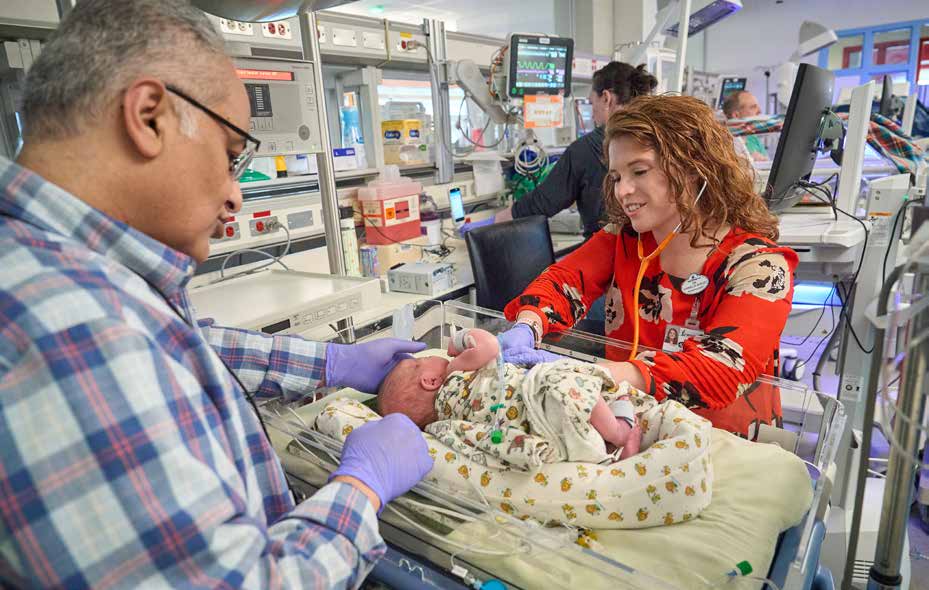
There are myriad challenges in the NICU. The babies are tiny and fragile or very ill, so special care must be taken to ensure interventions won’t hurt them physically. “There is great responsibility on us as a team to keep these fragile babies alive and well,” Bou Aram said. “We have every level of advanced respiratory therapy support, MRI and echocardiogram , and the ability to perform major surgical operations here,” Bou Aram said. Fetal surgery can now prevent severe damage from complex fetal problems such as spinal defects, blockages of blood flow into the heart, or severe twin conditions. Precision medicine options have exploded; the rapid use of genetic mapping and neonatal-specific imaging now provide highly accurate results. Crouse has all the necessary equipment to insert breathing and chest tubes and to put babies on heart-lung bypass. “Though comprehensive mapping may take longer than other options, such as the use of microarray or gene sequencing, advanced tools like MRI and genetic testing allow for quicker, more accurate determination of a diagnosis,” he said. “Early, accurate diagnostics give doctors the opportunity to tailor a treatment plan earlier in an infant’s stay.”
 “It is very stressful, especially when babies are very sick and every minute counts,” Bou Aram said. “I am a father first, so putting myself in the shoes of these parents adds to the weight of the responsibilities. New parents are naturally overwhelmed, so information needs to be clear, direct and honest. Multiply this by a hundred when the baby is sick.”
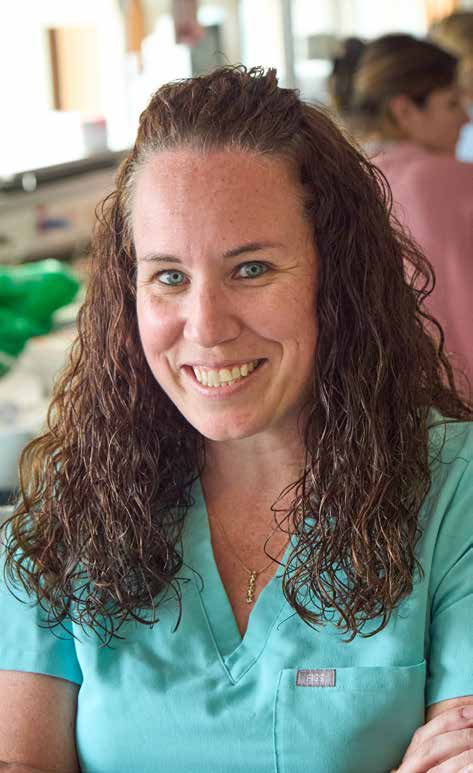
Crouse also cares for babies born with surgical emergencies. Ultrasound detects a host of anomalies that may require surgical intervention or specialized care. “It’s really tough on the parents – they go through a lot of emotions,” Hatter said. “We try to reassure them that it’s going to be okay and include them in as much care as we can. Nobody wants to give birth to a baby they’ve been so excited about and go home without them. We try to save all the firsts for the parents – the first bath and bottle – because those milestones mean the world to those parents. We try to let them do the things they can – change the diaper, take a temperature or move a probe from foot to foot. We have them put little tape recorders in the isolettes and read them books, so the baby can hear their voice when they’re not there.”
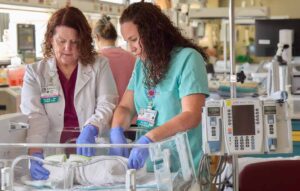 “Because neonatology has advanced as a field of medicine, equipment has followed suit,” Dadey said. “We have all the equipment and the doctors and midlevel providers like nurse practitioners, physician’s assistants, nurses, and respiratory therapists who are all trained to use it. But some of our toughest cases are big babies who aspirate meconium during birth or might have an infection when they are delivered, so their lungs are compromised. The technology has evolved to improve survival rates so these babies can leave the hospital. We work very hard for every baby to make sure they have the best outcome.”
What the future holds
“We started as a women’s and infants’ hospital – a critical piece that makes Crouse Crouse,” Kronenberg said. “We will continu e to enhance, expand and invest in those services. The highest-level NICU requires investment in the latest and greatest technology. We already have the best doctors and nurses.”
“Over the next decade, we will adopt new clinical tools,” Bou Aram said. “Promising technology includes AI and predictive monitoring. Tele neonatology lifelines will provide greater digital reach; onsite clinical experts will be able to virtually assist with the initial stabilization of a baby in any of the regional hospitals. Over the next decade, the need to stay on the cutting edge will only increase. I’d say the focus will be on diagnostic modalities, imaging, and bedside technology.”
Pride in the program
 “Crouse delivers world-class medical care and high-end programs like the Regional Perinatal Center in a family community hospital culture,” Kronenberg said. “It’s that culture that separates us: It’s how we treat each other, how we treat our patients, how everybody interacts. It’s special. Our people aren’t just employees; they are family. We invest in workforce development, invest in them as human beings, and try to have fun at work because healthcare is very serious business. Everyone believes in the mission. At Crouse we say ‘every moment matters,’ and that’s the influence everyone has on patient experience – from environmental services to security to patient access – they are all equal. It’s not just the doctors and nurses; it’s our entire Crouse family. Walk down the hall, and you see smiling faces and people who enjoy being here. That doesn’t take away the stress of being in healthcare, but that family environment really sets up our culture.”
Bou Aram is proudest of building a multidisciplinary team and the thousands of families in Central New York whose stories started in Crouse’s NICU. “Our team of physicians, advanced practice providers, nurses, respiratory therapists, staff, and the administration that supports them act like one family to provide seamless care under one roof,” he said. “To go around Syracuse and know that a child in the park or a grown adult or high school or college student you see was once a one-pound baby lying in a bassinet in our nursery brings me so much pride. Neonatal care is truly a collaborative endeavor, and we cannot do it without the backing of our entire Central New York community.”
“I’m proud to be part of this team – the work that is done here is nothing short of miraculous every day,” Dadey said. “We get influxes of patients – it’s not uncommon to get three sets of twins in four hours – and the team pulls together. Then we respond to a transport in our region, and the team pulls together. They deliver the very best care, are passionate about what they’re doing and want the very best for every family and baby. Our neonatologists and nurses embrace excellence; they’re constantly looking to improve – evaluating research, new technologies and practices. Seeing that come to life every day is incredible.”
“We have a motto: ‘Nobody sits until we all sit,’” Hatter said. “As soon as a baby hits the bed, we have so many nurses at the bedside ready to help. Whether running to the pharmacy, the supply room, hanging fluids, helping with procedures – everybody’s invested in the success of every baby, and just being able to watch everyone work together toward a common cause is absolutely amazing.” “Crouse is the only independent, locally governed community hospital in
Syracuse, and we are here to meet the needs of the community,” Kronenberg said. “There isn’t a solution to health care in our region that doesn’t include Crouse, so to be able to deliver the highest-quality care and really high-end, highly technical medical services within that family community hospital culture – that’s what makes me most proud.”
 Going to the Zoo
NICU holds an annual reunion at the Burnet Park Zoo. “When babies are nearing discharge, they sometimes decide to be a little naughty, delaying the discharge,” Dadey said. “So, we don’t use that word. We say they’re getting ready to go to the Zoo. Then they join us at the reunion with their parents, siblings, grandparents, aunts, uncles … you have hundreds of people. It’s a beautiful experience.”
Kronenberg said the reunion is one of the most rewarding things he participates in yearly. “You see children who were tiny, tiny babies and were in Crouse for months and months, and here they are just like every other kid. It’s really rewarding for the doctors, nurses and families because they get very close when their babies are here for a long time. To reunite the care team with patients and families is very rewarding.”
“Going to the reunion every year and seeing the babies growing and healthy is just phenomenal,” Hatter said. “Babies bounce back. They’re amazing.”
“When a family seeks care for their baby at Crouse, they don’t just have a physician: they have an entire community dedicated to their child’s care,” Bou Aram said.
“Our NICU is a special place, Hatter said. “Every nurse here loves every baby like it’s their own. We give some pretty amazing care.”
 I often wonder why the patient experience feels complete in one medical practice yet lacking in another. The answer usually lies in a collection of touchpoints: how the phones are answered, how staff greet patients, whether communication remains consistent between visits, and how issues are resolved when something goes wrong. These visible moments are only part of the story, but together they reveal the culture.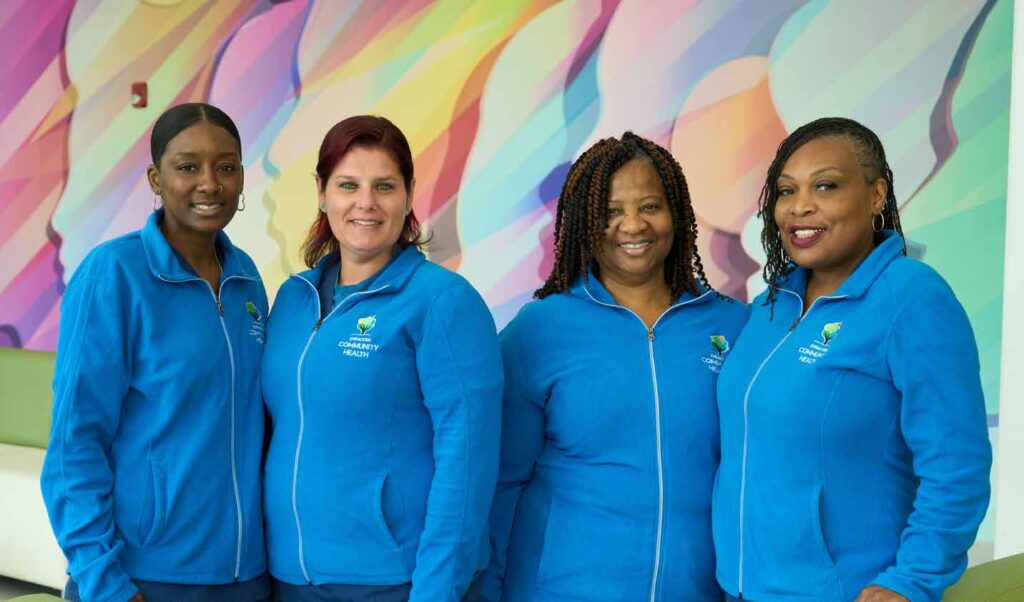
 Syracuse Community Health was founded in 1978 with the mission to provide high-quality healthcare to the residents of Onondaga County, especially those who are uninsured, disadvantaged or who face other obstacles to care.
 SCH employs 200 staff, 23 of them nurses, including eight Registered Nurses and 15 Licensed Practical Nurses. “Nurses are the center of our organization and create the first impression for our patients,” said Yoxall. “We may not be able to pay the highest amount, it’s not the easiest job, not the highest paying, but it is the most rewarding. Our nurses are working here because they want to be here.”
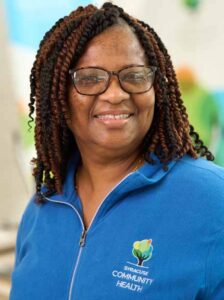 e in as newborns and reach each milestone as they grow up brings the workday extra brightness.”
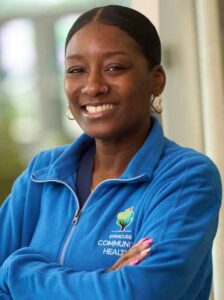 ogram before she was hired in the same role in the Eye Care Department. She then worked as an LPN for approximately 10 years when she decided it was time to become an RN. Her motivation to stay at SCH is simple. “The patients,” she said. “I really love the community we serve here at SCH.”
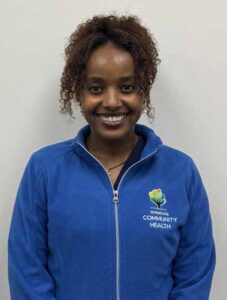 called out three physicians who were particularly encouraging while she studied toward her LPN, Oris Moore, DDS, Wilson Sithold, DDS and the late Henry Chionuma, an adult medicine internist who started SCH’s Walk-In Care operation.
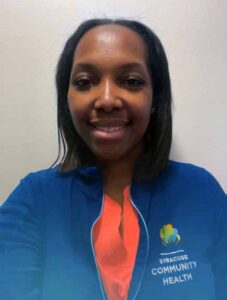 becoming an RN. “Working at SCH exposed me to a diverse patient population and allowed me to see the impact nurses have on improving patients’ lives,” she said.
 nderson Mitchell. “However, the assistance and support I received from SCH were unparallelled compared to any other organization where I have been employed.”
 It’s easy to assume that anyone with an “advanced degree” is exempt from overtime. For physicians managing a practice, that assumption can be costly. The framework for determining which employees are exempt from overtime pay is established by the federal Fair Labor Standards Act (“FLSA”) and the New York Labor Law (“NYLL”).