Upstate Community Giving
Campaign Raises More Than $570,000

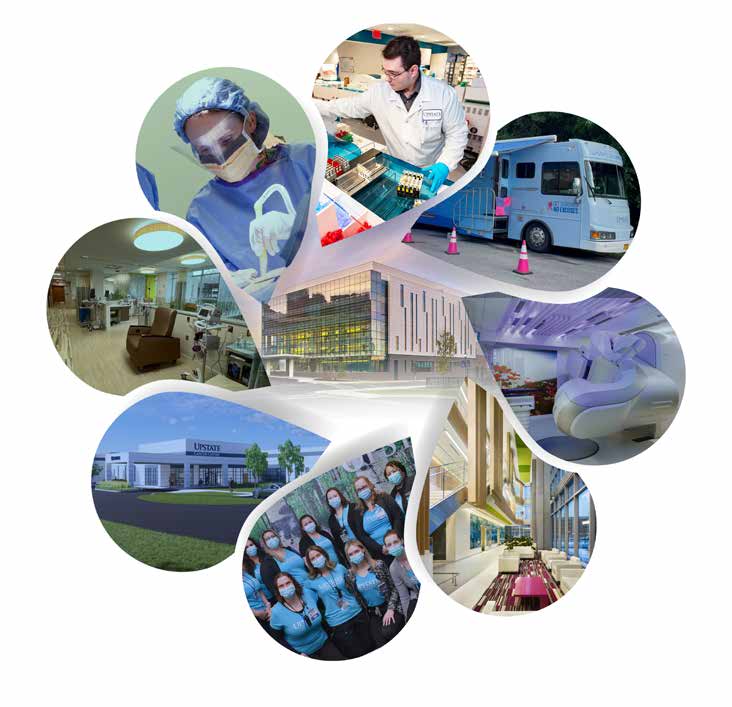
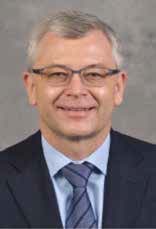
More than 1,200 members of the Upstate community donated more than $570,000 to Upstate’s 2022 Community Giving Campaign, bringing Upstate’s total giving to the CGC to $13.5 million since Upstate began the campaign in 1986. 

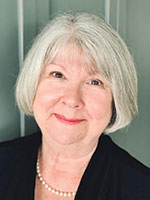
“Upstate’s engagement with the community and its role in helping people have a brighter future continues to impress,” said Campaign Chair Lawrence Chin, MD, professor and dean of Upstate’s Norton College of Medicine. 

New donors to Upstate’s Community Giving Campaign rose 44 percent in 2022, bringing the number of new donor employees to 277. More than half of all new donors were nursing employees. 

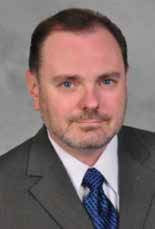
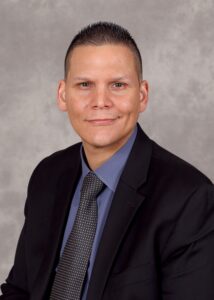
“Our nursing staff goes above and beyond every day to serve our patients and this commitment extends to this campaign,” said Chief Nursing Officer Scott Jessie.

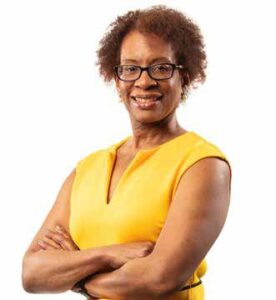
The success of the campaign is due, in large part, to the 163 employees who served as department representatives. They help promote the campaign within their departments and answer employee questions about the campaign. A complete list of department representatives is available.

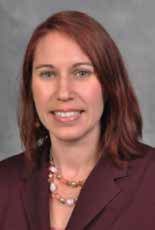
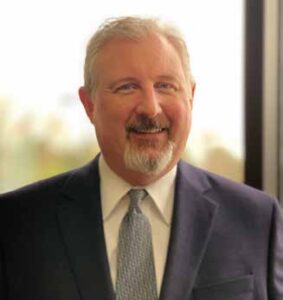
Serving on the 2022 Campaign Committee were Dr. Katherine Beissner, Tammy Blackburn (ad-hoc) Catherine Cadley, Leah Caldwell, Tree Carter, Dr. Lawrence Chin, Mark Congel, Dr. Mantosh Dewan, Kelly Dolan, Amy Green, Zanette Howe, Michael Longo, Katherine Magnarelli, Nancy Prott, Linda Veit. Serving on the committee from United Way of Central New York were Nancy Kern Eaton and Meghann Sandak.

Upstate has won numerous honors awards for its Community Giving success from the United Way of Central New York, including the Spirit of Caring Award for Campaign Excellence, Leadership Development Award, Volunteer Service Award, and Campaign Volunteer of the Year Award.

Excellus BCBS appoints three new senior leaders
Excellus BlueCross BlueShield has appointed three new members to its senior leadership team. Mona Chitre, PharmD; Lisa Harris, M.D.; and Tony Vitagliano will take on new roles as part of the health plan’s Population Health Engagement leadership team working to ensure equitable access to high-quality, affordable
care. Meet our staff on the next page;

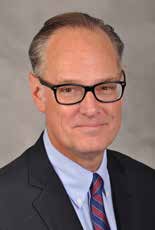
Mona Chitre, PharmD, Chief Pharmacy Officer, President Pharmacy Solutions

Mona Chitre, PharmD has been named President of Pharmacy Solutions, in addition to her role as Chief Pharmacy Officer. In her expanded role, Dr. Chitre will focus on delivering clinically sound pharmacy solutions to enable growth and diversification and bolster investments and innovation in all areas of the rapidly changing pharmacy landscape. She joined the health plan in 2000.

Chitre oversees Excellus BCBS’ pharmacy program, focusing on ways to drive affordable drug costs, quality outcomes, and appropriateness of care for the health plan’s 1.5 million upstate New York members.

Under Chitre’s leadership, the health plan’s pharmacy program has developed numerous programs to improve the health and well-being of the communities it serves. The introduction of the innovative RxConcierge savings outreach program and initiatives focusing on generic medications, medication adherence, and specialty medications have helped members access quality, affordable medications and earned the health plan national recognition. During her tenure, the health plan’s Medicare Part D prescription drug plan has received a 5-star rating from the Centers for Medicare and Medicaid Services, its highest rating, for seven consecutive years, making it the longest leading, and one of only two 5-star plans in the nation.

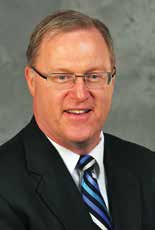
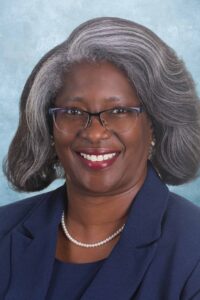
Lisa Harris, M.D., Senior Vice President and Corporate Medical Director

Lisa Harris, M.D. has been appointed Senior Vice President and Corporate Medical Director for Excellus BlueCross BlueShield. In her new role as SVP Corporate Medical Director, she will work closely with senior leaders to drive engagement, innovation, clinical quality, equitable access, and affordability, as well as enable efficiency and satisfaction among the health plan’s provider partners. Dr. Harris joined the health plan in 2018.

Harris previously served as Vice President of Medical Affairs for Commercial Lines of business where she was closely aligned with the sales team serving as a clinical liaison for the commercial side of business and leading the clinical affordability strategy. 

During her career at Excellus BCBS, Harris maintained a focus on the larger strategy of improving health care for all as she collaborated on innovative solutions including a clinical queries system allowing key stakeholders to receive a coordinated response to clinical questions within 24 hours. She worked with a team to develop a high-cost claimants team – a multifunctional team designed to engage case managers earlier on in the member experience.

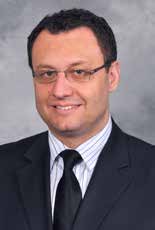
Tony Vitagliano, Senior Vice President, Provider Network Engagement

Tony Vitagliano has been named Senior Vice President, Provider Network Engagement. In his new role, Vitagliano will continue to focus on the health plan’s provider partnership strategy in addition to now leading the areas of payment integrity, medical policy, and risk adjustment. He will also serve as a member of the health plan Executive Team. Vitagliano joined the health plan in 1993.

Tony Vitagliano Vitagliano began his career with the health plan as an Actuarial Analyst and has held several positions during his time with the organization. Most recently, he served as Vice President, Provider Network Management and Operations leading teams dedicated to provider contracting, provider relations, value-based payments, and reimbursement.

During his career, Vitagliano led the development of Excellus BCBS’ Accountable Cost & Quality Agreement (ACQA) model, providers partnership strategy, and the alignment of clinical quality and efficiency.

“Through their partnership with our providers and community members, each of these leaders has made a significant impact in achieving our health plan’s mission of ensuring equitable access to affordable, high-quality care,” said Jim Reed, President and CEO of Excellus BCBS. “I’m excited to see our efforts in the area of population health engagement continue to grow under the strategic leadership of these highly skilled and experienced individuals.”

St. Joseph’s Health Welcomes
Primary Care Physician

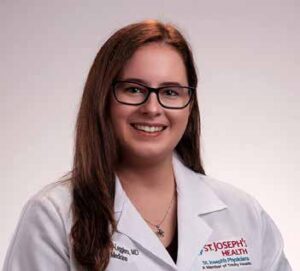
St. Joseph’s Health is pleased to welcome Dr. Kathleen Farry-Leggiero, MD, to St. Joseph’s Physicians Primary Care. In her role, Dr. Farry-Leggiero will provide patients with high-quality, personalized health care. Primary care physicians diagnose and treat a variety of illnesses in pediatric and adult patients, while also providing routine and preventative care to improve their health. Dr. Farry-Leggiero is passionate about applying her medical knowledge and skills to enhance the health of our community. “Having gone to medical school in Syracuse, I’ve had the opportunity to explore Central N.Y. and I have grown to appreciate the pleasantries that it provides,” she said. “I am excited to work for St. Joseph’s Health and provide care to people from all walks of life.” Dr. Farry-Leggiero is a board-certified family physician. She completed her residency at St. Joseph’s Health, earned her Doctor of Medicine from SUNY Upstate Medical University and her Bachelor of Science in Biology from Siena College in Loudonville, NY. Dr. Farry-Leggiero is accepting new patients at St. Joseph’s Primary Care in Liverpool at 5100 West Taft Road, Liverpool, N.Y. To schedule an appointment, please call: (315) 452-2828 

Nephrology Associates of Syracuse, P.C. Give Patients a Comprehensive, United Approach to Kidney Care

By Daniel K. Brantley

[Deck] Over the past 44 years, Nephrology Associates of Syracuse, P.C. has continued to grow and enhance the kidney care they provide, making them a top choice for advanced, compassionate care.

Founded in 1978, Nephrology Associates of Syracuse, P.C. began with a small team that held an important but simple goal: “To provide high-quality nephrological care for our patients.” However, achieving that goal requires nephrologists and other specialists to work closely together. When they do, remarkable things can happen.
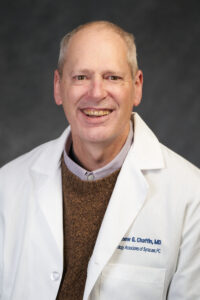
“If you get 10 nephrologists in a room, you’re going to have 10 different opinions,” says Matthew Chaffin, MD, a nephrologist with Nephrology Associates of Syracuse and Medical Director of the DaVita Central New York Dialysis Clinic. “Our unified way of practicing and approaching patients is unique for nephrologists, and it is ultimately better for the patient.”

Integral to their practice is taking a comprehensive, holistic approach to kidney care by looking at each of their patient’s medical conditions to determine if and how they might be affecting the kidneys. Dr. Chaffin says they view nephrology “not solely as the practice of caring for kidneys, but for the overall person.”

Over the years, Nephrology Associates of Syracuse, P.C. have increased their locations and grown their service area. They’ve also established an in-house laboratory to provide rapid blood-test results that clinicians can discuss with their patients the same day. The main office, numerous satellite locations and six dialysis units are located in and around Syracuse, accessible to patients from Canada, Pennsylvania and everywhere in between.

Pandemic-Proven Care

As it was for all healthcare facilities, the COVID-19 pandemic was challenging for Nephrology Associates of Syracuse, P.C. But in time, the stresses of the pandemic also offered growth opportunities that ultimately improved how they provided nephrology care.

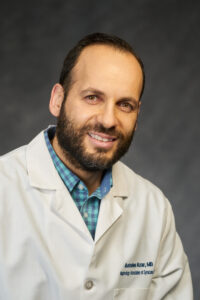
“The pandemic changed a lot of what we do — especially during the early stages when everything shut down,” says Antoine Azar, MD, nephrologist and internal medicine physician with Nephrology Associates of Syracuse, P.C. and Medical Director of the DaVita Dialysis Clinics in Syracuse and Ithaca. “We had to improvise, to find ways to see kidney patients and ensure they remained stable during unstable times.”

While much of the world shut down, that wasn’t an option for the practice. When serving patients with chronic kidney failure (CKD), closing the doors — even temporarily — could be disastrous. However, some patients started to miss necessary appointments because they were afraid of contracting the virus. That’s when the organization implemented some creative solutions. In addition to setting up virtual visits, the group established alternate, standalone blood test locations that allowed patients to receive necessary tests near their homes, with minimal interaction with others. All visitors and staff must wear masks and be screened upon arrival. The results were forwarded to Nephrology Associates of Syracuse, P.C., for review, and a nephrologist discussed the results with patients in the office or via video conference.

Most patients have returned to in-person visits, where extra precautionary steps continue in place, as kidneys can suffer substantial damage from COVID-19, particularly among ICU patients placed on ventilators. Patients remain isolated from others throughout their visit, reducing their infection risk. Telemedicine is available for patients who cannot make in-person appointments.

Prioritizing Value-Based Care

Today, nearly $114 billion (20%) of Medicare spending goes toward kidney disease care, according to CMS. Value-based programs were designed to reduce the cost of care to patients with CKD and improve the quality of care they receive, ultimately reducing hospitalizations and readmissions.

Nephrology Associates of Syracuse, P.C. makes sure every laboratory test ordered is necessary and that patients receive the appropriate when and where they needed it. An essential element of delivering value-based care is coordination.

“In general, Syracuse-based providers do a good job of coordinating care amongst hospitals and physicians from the moment of discharge until the patient returns to the clinician’s office,” Dr. Chaffin says. “But every step along the way could use improvement.”

One of those improvements is rooted in better communication, particularly with the release of ICD-10, the medical coding system that makes condition recordkeeping more specific. CKD coding is more fragmented, and diagnostic details require even more specificity. While certainly helpful for improving patient outcomes, inputting so much more data is time-consuming. To improve the speed and specificity of data entry, Nephrology Associates of Syracuse, P.C. modified its software. The IT improvement can now more accurately describe a patient’s condition, enhance the patient transition from hospital to office setting and improve the ability to predict potential expense and real-world risk of future events.

Identifying Risk of Rapid Decline

Until recently, clinicians who attempted to predict kidney function decline couldn’t be 100% certain. Nephrology Associates of Syracuse, P.C. now uses KidneyIntelX™, which provides sophisticated and precise data to help forecast rapid decline among their CKD patients. Primarily limited for use on patients with diabetes and those who are nephrotic, KidneyIntelX scores patients based on their risk of experiencing rapid kidney failure progression.

“Although we can use charts and graphs to look at the rate at which a patient’s creatinine is rising, you’re only estimating what [that future level] is going to be,” Dr. Chaffin says. “KidneyIntelX uses a set of newer, novel blood and urine tests to give better predictive values of whether someone is at high risk for kidney failure progression that will ultimately lead to a need for dialysis.”

To complement these new advancements, Chaffin says they are considering the value of offering genetic testing. For example, certain genes, such as apolipoprotein(a) in Black patients, are more common among those at highest risk for progressive CKD and they will eventually require dialysis. Even among patients experiencing mild kidney failure, the presence of certain genes increases the potential risk for future dialysis. Genetic testing can empower providers to further educate their patients to take control of their health in ways that may postpone the need for dialysis.

Smarter Patients Are Healthier Patients

The goal of kidney care is the same for both patients and clinicians: to find ways to maintain optimal kidney health throughout life. Reaching this goal requires medical expertise and patient participation.

“Patients are a key part of their own care team, and to play their role well requires appropriate and frequent education,” Dr. Azar says. “When patients know what’s going on and understand their disease, they tend to be more compliant and follow up.”

In the U.S., 9 of 10 people with kidney disease are unaware they have the condition. These same statistics are mirrored in Syracuse. When referred patients come in for their initial appointment at Nephrology Associates of Syracuse, 90% don’t know why they were referred by their primary provider. Dr. Azar says even among patients who have advanced kidney disease, an estimated 50% to 65% are unaware of their condition.

“This lack of education is striking,” he says. “So we try to shed some light on things.”

In many cases, diagnosis is the first bit of light shedding to take place. Since so many patients are generally unaware of their health problem, and are unfamiliar with kidney disease in general, education is the critical next step. Patients immediately receive education from their care team during each visit and are offered additional educational opportunities.

During CKD education classes, patients learn the specifics of their disease, what may happen to their kidneys in the coming years, available treatment options that are most likely to succeed, diet and lifestyle modifications and more. These one-on-one classes give patients the opportunity to learn at their own pace and engage with an advanced practice provider in person or online about their disease.

Patients who want to learn more can sign up for advanced education classes which go into greater depth on a variety of topics. Classes are also tailored to meet patient needs. They may learn the difference between hemodialysis and peritoneal dialysis, survival rates for their condition and other information that helps them get a firmer grasp on their health. Each educational session concludes with an opportunity for patients to ask clarifying questions that help ensure they’re understanding what they’ve learned and can put it into action.

“No matter what disease a patient comes to us with, we strive to make their lives better every day,” Dr. Chaffin says. “It’s why we’re here, and that united philosophy we follow drives everything we do.”

Nephrology Associates of Syracuse, P.C. diagnose and treat the following conditions:

  • Acute kidney conditions
  • Anemia management
  • Autoimmune disease of kidneys
  • Blood pressure management
  • Chronic kidney disease (all stages)
  • Diabetic nephropathy
  • Electrolyte abnormalities
  • Glomerulonephritis
  • Metabolic bone disease management
  • Polycystic kidney disease
  • Renal-related diabetes management
  • Renal transplant care, pre- and post-transplant

Nephrology Care Begins With Primary Care

With so many patients unaware of their kidney disease, many present to Nephrology Associates of Syracuse, P.C. with late-stage disease. As a result, nephrologists often have limited treatment options when a patient arrives for evaluation and therapy. An earlier diagnosis goes a long way toward changing that circumstance.

To increase the number of people diagnosed in the early stages of kidney disease, primary care providers should screen patients regularly. Annual blood and urine tests, especially for those with high blood pressure or diabetes, can detect kidney disease before it progresses.

However, early detection is not always sufficient, as patients may not understand, listen to or act on their provider’s advice. That’s why PCPs should do what nephrologists do: educate their patients until the education has an effect.

“When someone hears they have kidney disease, they may not pay attention or they may be in denial, because it’s a silent disease in the early stages,” says Antoine Azar, MD, nephrologist and internal medicine physician with Nephrology Associates of Syracuse, P.C. and Medical Director of the DaVita Dialysis Clinics in Syracuse and Ithaca. Because it doesn’t cause symptoms early on, Dr. Azar estimates more than 50% of PCP-referred patients neglect their initial nephrology appointment.

“Unfortunately, the majority come back in a year or two with worse kidneys and symptoms,” he says. “By that time, it may be too late to intervene.”

To combat this tendency to ignore kidney disease, patients must understand the severity of their problems and take appropriate action. For this to occur, clinicians should educate patients at each visit, underscoring the fact that they themselves are their best advocate for improved health.

Early Referral Improves Results

Declining kidney function commonly leads to dialysis, whether hemodialysis or peritoneal, in-home or at a dialysis center. When dialysis is insufficient or inappropriate, transplant becomes an option. In these cases, Nephrology Associates, P.C. providers refer patients to the nearest transplant center. They also prepare patients for their transplant and resume care when patients get discharged post-transplant.

But with an early referral, patients may eliminate the need for transplant. Studies have found patients who are referred to a kidney specialist prior to needing dialysis have reduced mortality. Providers are urged to continue referring patients when urine or blood tests indicate kidney disease.

Whether transplant or dialysis is necessary or appropriate, Nephrology Associates of Syracuse, P.C. has the expertise and experience to diagnose and treat all forms of kidney disease.

Satellite Services

When the COVID-19 pandemic exacerbated the need for convenient care, Nephrology Associates of Syracuse, P.C. adopted telemedicine technology, which they continue using to this day. Virtual medicine is not, however, the only convenience-enhancing approach they use.

Satellite locations throughout the area make it easier for those with kidney disease to receive the care they need, close to home. Nephrology Associates of Syracuse, P.C. satellite offices can be found in the following locations:

  • Camillus
  • Fayetteville
  • Fulton
  • Vernon

Additionally, nephrologists visit patients weekly at Crouse Hospital and St. Joseph’s Hospital and rotate through Central New York dialysis centers.

To refer patients to Nephrology Associates of Syracuse, P.C. in Syracuse or a satellite location, visit nephrologysyracuse.com/contact or call 315-478-3311

Excellus BlueCross BlueShield Advances Maternal Health Equity

By: Becca Taurisano

Childbirth is inherently risky, but for minority women, it can be life-threatening. Consider the birth experience of global tennis star Serena Williams. Williams had a history of pulmonary embolism and, while recovering in the hospital after giving birth via c-section, she had difficulty getting her providers to acknowledge her symptoms. After repeatedly advocating for herself, doctors eventually found several small blood clots in her lungs and administered life-saving treatment. Sadly, hundreds of women each year are not as fortunate.
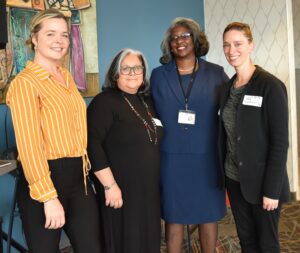
To advance health equity for all and address implicit bias and structural racism in health care, Excellus BlueCross BlueShield appointed Gina Cuyler, MD, as vice president of health equity and community investments in November 2021. A graduate of the University of Rochester School of Medicine and Dentistry, Dr. Cuyler is a board-certified internal medicine physician who is passionate about improving health outcomes for everyone. Using a cross-functional, data-driven approach, Dr. Cuyler is working to embed health equity across every aspect of Excellus BlueCross BlueShield’s organization and addressing maternal health disparities is one of her top priorities.

Maternal health is the continuum of care that includes the time before pregnancy, pregnancy itself, and one year postpartum. The health conditions of mothers before pregnancy impacts maternal and child health outcomes and, under Dr. Cuyler’s leadership, Excellus BCBS is working to address negative outcomes such as severe maternal morbidity (SMM). The U.S. Centers for Disease Control and Prevention defines SMM as “unexpected outcomes of labor and delivery that result in significant short- or long-term consequences to a woman’s health.” The many drivers of maternal health include socioeconomic status, access to maternal health providers, geographic location, structural racism and implicit provider bias.

“Women of color are particularly at risk for negative maternal health outcomes independent of socioeconomic status, education or other factors. A Black mother with a college education is likely to have worse maternal health outcomes than a White mother without a college education,” notes Dr. Cuyler. A Blue Cross Blue Shield Association study on racial and ethnic disparities in maternal health revealed that preexisting health conditions, such as hypertension, diabetes and asthma, strongly correlate with higher SMM. The study found that Black women ages 35-44 have a 66% higher rate of SMM and are more likely to suffer pregnancy-related complications than white women in the same age range. The U.S. maternal mortality rate is the highest among similarly developed countries, with 17.4 deaths per 100,000 live births. “With all of the wealth, resources and knowledge in our country, we must do better,” says Dr. Cuyler.

Maternal health affects more than just mothers and their babies, but the community as a whole. When pregnancy complications arise, premature birth, low birth weight and prolonged stays in neonatal intensive care units increase as well. There is a societal cost when maternal health is not a top priority, says Dr. Cuyler. From the family members who suffer the loss of their loved one, to employers and co-workers bearing the burden when a parent has to take time off to care for their child, or worse, when an employee dies from pregnancy complications, maternal health affects families, businesses and communities. “It has a comprehensive impact on everyone,” Dr. Cuyler says, “we all bear the cost.”

Dr. Cuyler is addressing the drivers of higher SMM in a data-driven way. “Health equity work requires metrics,” Dr. Cuyler says, “you can’t manage what you can’t measure and you can’t measure what you can’t define.” After creating a health equity strategy for Excellus BCBS, Dr. Cuyler brought on health equity data analysts to help her capture and analyze the metrics required to determine actionable solutions. Collecting robust data is also dependent on identifying the attributes of the people in underserved communities, and that requires patients to submit complete attribute information so they can be identified appropriately in the data.

The COVID-19 pandemic highlighted health disparities in our nation, especially for people of color and, Dr. Cuyler says, the narrative surrounding health equity is expanding. Aligning with the health equity frameworks of New York state, the National Committee for Quality Assurance and the Centers for Medicare and Medicaid Services, Excellus BCBS is advancing equity along with quality in the healthcare arena. Dr. Cuyler’s goal is to embed health equity in every part of the organization. “Health equity is an enterprise initiative and we work in a cross-functional manner. I have deputized an army of ambassadors in our organization to understand how their work contributes to being able to provide meaningful health outcomes and improve health equity for all.”

In October 2022, Excellus BCBS announced the first round of recipients of Member and Community Health Improvement (MACHI) grants to address SMM and related health equity issues in upstate New York. Eight non-profit organizations were selected within the Health Plan’s 39-county service area to share $1 million in grant funding over the next three years. “We assembled a cross-functional, interdisciplinary team to determine these grant recipients to address depression, education, safety, lactation and homelessness,” says Dr. Cuyler, “we are very excited about the opportunity to impact at multiple points of the maternal health care continuum.” Additionally, Excellus BCBS provides bias in maternal health training to health providers in the region through a partnership with the March of Dimes.

Health equity is personal for Dr. Cuyler. Born in Panama, she immigrated to the United States with her mother when she was a young girl (her father died when she was two years old). Dr. Cuyler recounts an experience at a public hospital in New York City after her mother burned herself cooking. For over 16 hours, they sat in “a room full of black and brown people in agony. I realized that for some people, the health care system isn’t always equitable or kind,” Dr. Cuyler recalls.

Dr. Cuyler states that many patients have better health outcomes when a provider shares the same attributes of a patient population (race, gender, language, cultural background), and thus, she co-founded the Black Physicians Network of Greater Rochester, an organization whose mission is to reduce health disparities and improve the health of the community by increasing the number of black physicians. “I do believe it helps for you to see a physician that came from the same circumstances,” says Dr. Cuyler, “I am passionate about mentoring because I didn’t have a mentor. I had to figure everything out the hard way.” 

Dr. Cuyler wants every single person in the United States to have access to equitable healthcare and, to achieve that, she wants every person to ask themselves what they are doing to advance health equity in their sphere of influence. For those in the health care community, it is important to build trust. “Today we are committed to doing better not just for some but for everyone. We want to help patients feel engaged, educated and empowered, and for health care providers to understand how important they are in advancing health equity,” says Dr. Cuyler, “everyone has a role to play.”

Health equity is when each person has a chance to have optimal health. – Gina Cuyler, MD

At the end of the day, we have to make sure we are making progress in maternal health equity because the stakes are so high. – Gina Cuyler, MD

Drakos Clinical Laboratories: Providing Healthcare Without Walls in Central New York

COVID-19 has radically disrupted the U.S. healthcare industry, which in turn has disrupted other business industries and entire communities. Healthcare workers are experiencing burnout at alarming rates. In a 2020 EClinicalMedicine survey, almost 50 percent of healthcare workers reported they were burned out from the COVID-19 pandemic. A 2021 special report from Morning Consult found that, since February 2020, 18 percent of healthcare workers have left their roles, 12 percent were laid off, and 31 percent have contemplated leaving their jobs.
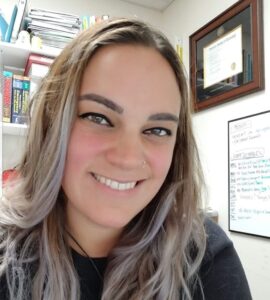
Burnout and turnover issues are worsening U.S. healthcare provider shortages and hospital occupancy issues that existed even before the pandemic. Patients often wait long hours in the emergency room before seeing a physician, and many leave before they’re seen at all. If you’re in the healthcare industry, these could be your patients. If you’re in any other industry, these could be your employees. Either way, this issue affects us all.

The healthcare industry needs new, flexible solutions to ensure everyone has the access to care they need. In Central New York, Drakos Clinical Laboratories strives to serve patients wherever they are. Drakos provides mobile, at-work and at-home medical testing, concierge medical services, and medical testing logistics for large-scale events and productions. The company is now pursuing new partnership opportunities to help better reach patients.
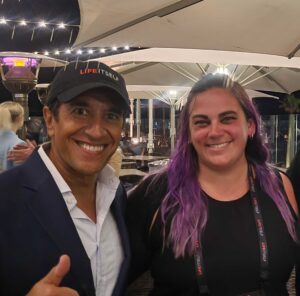
“At Drakos, we believe in healthcare without walls,” says Drakos Founder and CEO Heather Drake Bianchi. “If we can go into a patient’s home, workplace, or another safe location to check their vitals and do their laboratory work, it lessens the pressure on hospitals, urgent cares, and physicians. It can also be safer for many patients, especially people who are immunocompromised or have young children or older adults at home.”

Drakos’s story begins in 2020 when its CineMedics division was founded. CineMedics was created to address the unprecedented medical testing needs on film sets during pandemic.

“When the pandemic began, there was a significant need to keep entertainment productions running safely. People’s livelihoods depended on it,” says Drake Bianchi. “This was particularly important being from Central New York where we have a relatively new, but rapidly growing film industry. We knew that our skills as first responders were a natural fit for protecting people in this moment and ensuring they could do their jobs without worrying about COVID.”
The company’s roots are in community paramedicine. Many of the staff members, including Drake Bianchi, are first responders who are experts at providing critical medical services in any environment. A scientist as well as entrepreneur, Drake Bianchi earned her Master of Science in human anatomy and physiology from Northeast College of Health Sciences and her bachelor’s in biomedical sciences from RIT. Before founding CineMedics and Drakos, she spent 16 years working in critical care medicine, both in the U.S. and internationally. She has served as a paramedic for National Geographic, Remote Medical International, and the Ocean Classroom Foundation.

In the pivotal first months of the pandemic, the Drakos/CineMedics team helped developed new protocols that became the standard throughout the film industry. They provided medical services to major productions, including the cast and crew of the Oscar-nominated “Don’t Look Up.” They were also hand-picked by the CNN conference “LIFE ITSELF” to conduct large-scale event testing for a VIP crowd. At “LIFE ITSELF,” they provided the COVID-19 testing for attendees such as Dr. Anthony Fauci, several past U.S. Presidents, astronaut Mark Kelly, actress Goldie Hawn, and more.

Over the past two years, Drakos/CineMedics has grown from seven people to a team of 50, with locations throughout the U.S. and in the UK. They continue to be sought out by major production companies as the #1 preferred company for these services.

Most recently, CineMedics provided care for the cast and crew of the new Netflix film “The Union.” Described as a “blue-collar James Bond,” the action thriller stars Mark Wahlberg, Halle Berry, and J.K. Simmons.

As a result of CineMedics’ work on the film, Wahlberg asked Drakos/CineMedics to provide concierge medical care for him and his friends and family on his current project, an Apple Original film titled “The Family Plan.”

There’s still more Drake Bianchi and the Drakos team want to do. Drake Bianchi previously assisted in search and rescue efforts for Hurricanes Katrina, Irene, and Sandy. Having seen firsthand the barriers that underserved populations face when trying to access healthcare, she has also committed the next phase of her business to using her mobile technology to bridge that gap for veterans, rural populations, low-income individuals, the sex worker industry, and the LGBTQ+ community right here in Central New York.

“Sometimes I can’t believe this is my life. It’s an incredible honor to be able to deliver quality care to so many people,” says Drake Bianchi. “I love being able to meet people where they are and ensuring they have what they need to be healthy.”

Increasing access to healthcare services became even more important to Drakos when a close colleague was diagnosed with cancer during a recent production. Seeing their friend fight cancer accelerated the Drakos/CineMedics team’s desire to serve more people.

“To survive cancer, you have to survive chemo, which means staying out of the hospital and staying hydrated,” says Drake Bianchi. “We want to reduce their exposure in the hospitals. Our friend and colleague getting their cancer diagnosis jumpstarted our work to provide these services and do them well.”

Drakos believes that this kind of care is the wave of the future, with both immediate and long-term implications. While the immediate need for everyone in our community is apparent, by 2040, more than 20 percent of the U.S. population will be 65 years or older—a demographic change for which the U.S. healthcare and caregiving systems are currently unprepared, especially in light of the damage caused by the pandemic. Additionally, many older people want to age in place, creating a need for services to come to them.

Drakos aims to ensure everyone has the care they need, where they want it, now and in the future.

Looking ahead, Drake Bianchi sees boundless ways to innovate Drakos and how healthcare is provided—which could have significant positive impacts on other entities within the healthcare industry, as well as the health and productivity of our community overall.

“We have the tools to make healthcare more accessible, more inclusive, and more tailored to patients’ individual needs,” says Drake Bianchi. “We’re ready to connect with new partners who are also excited to help shape the future of healthcare.”

For more information please see: https://cinemedics.us/

https://drakos-clinical-laboratories-cny.square.site/

St. Joseph’s Health Cardiovascular Institute dream team grows

By: Martha Conway

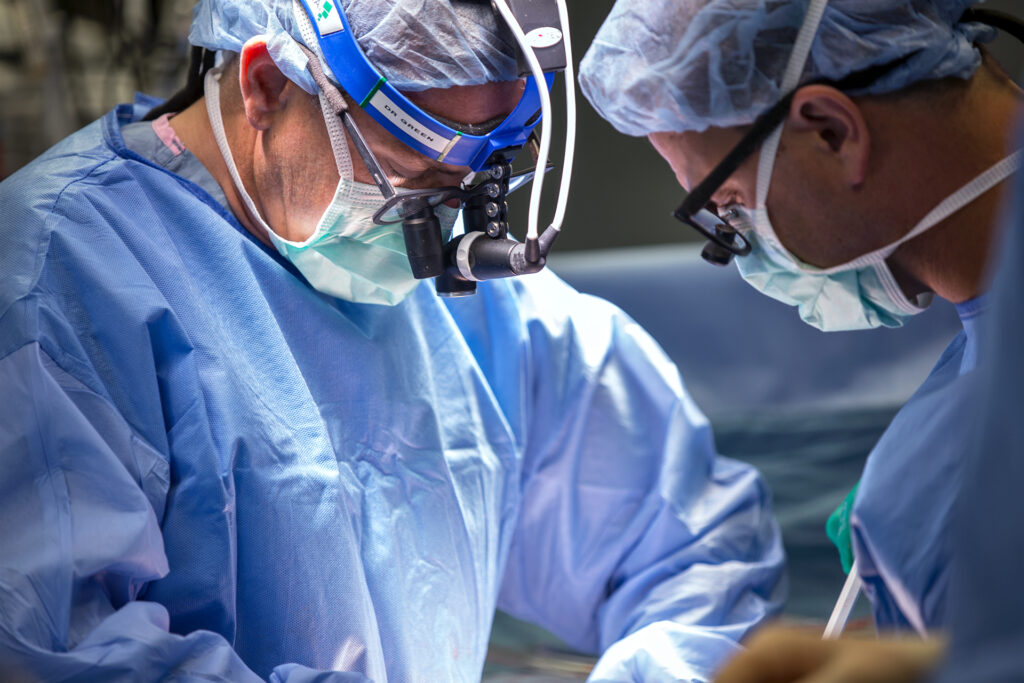
In late November, the St. Joseph’s Health Cardiovascular Institute in Syracuse expanded its award-winning cardiac surgery team by welcoming the return of Dr. G. Randall Green. Green left St. Joseph’s Health five years ago with hopes of building a cardiac surgery and surgery training program at SUNY Upstate Medical University, but resources came up short.

He returned to a team and a place he loves.

“St. Joe’s had a great program in the past and it has remained a great program in the five years I wasn’t there,” Green said. “I think the people who put the program together and ran it for 10 years being back together is a great story of Central New York having a resource that it deserves.”

Green said it took a long time and many people to get St. Joseph’s Health’s program to where it is now, and it’s done nothing but maintain its excellence during his five-year absence.

“To succeed at providing quality cardiac surgery services, one must have skilled partners like our surgeons Doctors [Charles] Lutz, [Zhandong] Zhou, [Ahmad] Nazem and [Anton] Cherney and our talented group of cardiologists,” said Chief Medical Officer Dr. Philip A. Falcone. “They are great clinicians, have worked with Dr. Green in the past and are here to collaborate with him to provide excellent cardiac care.”

St. Joseph’s Health Cardiovascular Institute encompasses cardiology, cardiac surgery and vascular services. Robotic-assisted surgery leads to shorter recovery, less scarring and better overall health, and surgeons have expertise in all areas of heart surgery. The full range of services include:

  • Aortic valve surgery
  • Arrhythmia correction surgery
  • Coronary revascularization program (CABG)
  • Heart failure surgery
  • Mitral and tricuspid valves
  • Pulmonic valve surgery
  • Robotic valve program
  • Structural heart disease
  • Thoracic aortic disease
  • Transcatheter aortic valve replacement (TAVR)
  • Valve repair

St. Joseph’s Health instituted the first Structural Heart Program in Central New York, resulting in better patient outcomes, lower costs and fewer readmissions.

Green said the experience of the team, historical record of excellence from its members and 100-percent focus on patients turn out consistently superior results.

“This means adherence to policies and procedures that have been developed over time and 100-percent commitment to what I will generically refer to as ‘customer service’ or being the kind of providers you would want for your husband or wife,” he said. “It’s communicating that way, empathizing that way and going the extra mile for each patient- the way you would want it done for your loved one.

“If that’s what we model every single day, nobody can beat us. That attitude – that commitment to quality and outcomes – is what defines cardiac surgery at St. Joe’s.”

Part of the total care experience requires dedicated primary care physicians and cardiologists, as well as proper discharge planning.

“Maximum medical management – that’s what makes a world-class program,” Green said. “If we didn’t have the greatest cardiologists and best primary care physicians aligned with St. Joe’s, we wouldn’t be world-class.”

St. Joseph’s Health quality outcomes for cardiology and cardiac surgery are well-documented. Earning three out of three stars in the most competitive database in the country, St. Joseph’s Health lands in the top 10 percent year after year.

“Anybody can put up good outcomes in one year – statistics often work that way,” Green said. “When you reach it in multiple categories over many years, something is being done right here.”

St. Joseph’s Health Cardiac Institute, established in 1976, continues to be one of the best programs in the nation, as evidenced by the many accolades and awards for quality and patient outcomes its program received over the past 46 years. Some of the hospital’s many recognitions include:

  • Healthgrades’ America’s 100 Best Coronary Intervention Award – 2022
  • Healthgrades’ America’s 50 Best Hospitals for Cardiac Surgery – 2021 through 2023
  • Society of Thoracic Surgeons’ Top 6 Hospitals in the Nation for Cardiac Surgery, having the top distinction in five out of five cardiac surgical categories
  • American Heart Association/Mitral Foundation Reference Center Award for Mitral Valve Repair for demonstrated superior clinical outcomes in degenerative mitral valve repair
  • Healthgrades’ Valve Surgery Five-Star Recipient 10 years in a row – 2012 through 2021

“This year, St. Joseph’s Health received the highest rating possible from STS, a national cardiac surgical quality group, which confirms our excellent outcomes and dedication to high-level cardiac care,” Falcone said. “These outcomes are the result of a very motivated and talented team of nurses, technicians and physicians, all focused on providing the best patient care.”

Falcone said St. Joseph’s Health cardiac care program continues to look to the future by developing advanced technologies including minimally invasive valve replacement, robotic cardiac surgery, new electrophysiology techniques and researching new cardiac vessel perfusion and stenting opportunities.

“We continue to expand our coverage and availability for patients from other hospitals in Central New York and beyond through our Care Flight helicopter and transfer programs,” Falcone said. “Our goal is to be the absolute best cardiac care center, period.”

Green said emerging technologies and potential treatments are growing more rapidly every year and that, while you want to be an early adopter, you want to adopt technology that’s been proven effective.

“There are so many competing technologies right now, it’s hard to know which one is most efficacious, easiest for the patient, etc.,” Green said. “Having several surgeons in one place with the breadth of clinical coverage and depth of experience to sit down and decide which ones to explore is an opportunity none of us has ever had before.”

“In our community, you don’t need to go to Cleveland Clinic or Columbia or Stanford,” Green said. “You can get really great cardiac surgical care right here in Syracuse at St. Joe’s.”

“Whether it’s an evaluation for heart disease, the need for urgent treatment of occluded coronary vessels or treatment for an abnormal cardiac rhythm, our cardiologists are prepared to render whatever services patients require,” Falcone said.

“I’m rejoining the best surgeons in New York and probably beyond,” Green said. “They’re really outstanding surgeons, but they’re also really outstanding people. When it comes to heart surgery, it’s a team sport, and this is a dream team.”

Private Equity Expanding Pursuits in Health Care Investment

Chris Zuccarini, Managing Director, National Health Care Practice, Risk Strategies Company

The trend of private equity (PE) firms seeking high returns in health care has been in full bloom for more than a decade. But whereas previously PE was focused on a top-down approach of buying hospitals and health systems, that focus has begun to shift toward less-costly, smaller specialty groups and physician practices.

Bain & Company’s 2021 Global Healthcare Private Equity and M&A Report found that investors are pursuing new “buy-and-build” strategies in less-penetrated segments of the provider sector. The report notes that there is increased focus among PE firms on areas that are promoting the shift toward home-based and outpatient care, along with “risk-bearing targets” like Medicare Advantage providers operating under capitation models and behavioral health providers.

Mission Alignment is Essential

For health care entities considering an investment from a private equity firm, the risk/reward calculus is complicated by recent downturns in patient volume and revenues due to COVID-19. The pandemic exposed the weaknesses that small providers face in a fee-for-service (FFS) environment and amplified the need for health care companies to maintain sufficient capital resources on hand to remain competitive and viable

The short-term financial windfall that may come from an acquisition must be weighed against the long-term implications, especially for physician practices who need to consider whether they are going to be part of an eventual sale. PE firms have a term of exit, typically within five to seven years, to meet shareholder obligations, so it is fair to raise a concern about what happens when that time is up.

Perhaps most importantly, compatibility relies on cultural alignment between PE firms and health care organizations. The economic model must support the care mission. Ensuring that the missions of the acquiring and acquired organizations are transparent and well aligned is critical for successful outcomes.

Improvements in Efficiency and Accountability

Partnerships between PE firms and medical groups have proven especially advantageous for easing the administrative burden for smaller providers. PE provides practices with a backstop to improve cash cycles and back-office processes, such as management reporting and compliance work.

PE investment has also allowed post-acute companies to grow and test new business models, delivering greater access to in-home care and telehealth. Technology is breaking down the traditional brick–and- mortar localized care delivery system, expanding access and lowering costs. PE brings the capital, and the know-how, to build these assets at scale.

In addition, the involvement of a PE firm creates visibility into the performance of a health care business, holding internal teams accountable for efficiencies to satisfy shareholders while delivering exemplary patient care. In August 2020, a JAMA study found hospitals acquired by PE firms experienced increases in net income as well as improvement in quality metrics.

Thinking Long Term

The health care industry is in a mature stage of PE involvement in core hospital service. With increased segmentation across the industry, the trend is growing and shifting. A JAMA study released in February 2020 found that more than 350 physician practices were acquired by PE firms between 2013 and 2016. The study concludes that PE firms see ample business opportunities in the physician practice space, expecting annual returns greater than 20%, though there remain “unknown implications for care delivery and patient outcomes” in the future.

Provider leaders should consider what they need long-term out of a PE transaction, secure commitments to quality and ensure that the new management will continue to invest as the industry moves away from FFS and expands into new business models.

Practices also need to consider the legal and compliance complexities that can arise out of the new administrative structures resulting from a PE investment. Risk Strategies Health Care Practice experts have extensive experience evaluating and advising on these partnerships and stand ready to help you achieve the best possible outcomes.

For more information on your insurance options, please contact Jenn Negley, Vice President, Risk Strategies Company at 267-251-2233 or JNegley@Risk-Strategies.com.

Beware the Overtime Trap

By Bruce Wood, Esq.

It’s no secret that there is a nationwide shortage of skilled medical professionals, particularly nurses and physician assistants, which has resulted in longer work weeks for many employees. Those staffing shortages will not be resolved soon and healthcare employers need to be careful to avoid running afoul of federal and state wage and hours laws governing the payment of overtime compensation.

There is a common misconception that all medical professionals are exempt from overtime compensation. The Fair Labor Standards Act (FLSA) provides an exemption from the Act’s minimum wage and overtime requirements for any employee employed in a “bona fide professional capacity”. To meet that test the employee’s primary duty must be the performance of work requiring knowledge of an advanced type in a field of science or learning customarily acquired by a prolonged course of specialized intellectual instruction.

Clearly, licensed physicians are considered professional employees. And so are registered nurses, nurse practitioners, physician assistants, and certain certified medical technologists. Licensed practical nurses and other similar health care employees, however, generally do not qualify as exempt professional employees because possession of a specialized advanced academic degree is not a standard prerequisite for entry into those occupations.

In addition to meeting the test of a bona fide medical professional, the exempt employee must also be paid on a salary basis; however, the salary requirement does not apply to those who practice medicine (e.g., physicians) and while it may be argued that NPs and PAs practice medicine (since they can diagnose and treat), the courts interpreting the FLSA have generally held that they do not.

Thus, if the NP or PA is compensated on an hourly basis, the FLSA requires the payment of overtime compensation for work in excess of 40 hours per week. In the absence of unusual facts and circumstances, the employment of an NP or PA on a fixed salary should be exempt from the FLSA overtime requirements.

Some healthcare employers may be tempted to try to avoid the statutory overtime requirements by structuring the hourly compensation arrangement as an independent contractor relationship rather than an employment relationship. Independent contractors are not protected by the FLSA. But the government is wise to attempts to skirt the wage and hour laws merely by calling a worker an independent contractor. The IRS, and more recently the Workers’ Compensation Board, have been aggressive in recharacterizing independent contractors as employees, with the imposition of fines, penalties and interest against the offending employer.

That is not say that there cannot be legitimate independent contractor arrangements. But the employer would wishes to use independent contractors should make sure that those contractors meet certain requirements: they should be truly independent with the right to control the means of their work; maintain their own insurance; have their own business cards and business identity; and preferably perform services for more than one medical practice.

What if the healthcare employer enters into an independent contractor agreement with the professional’s limited liability company (LLC) or corporation? Will that pass muster and thus exempt the hourly compensation from the overtime requirements?  The answer is a clear “maybe”. The courts will look to the economic reality of the arrangement and the designation of the contract between the parties will not be determinative. The fact that compensation payments are made to an entity rather than a real person, and issued a 1099 instead of a W-2, does not insulate the arrangement from potential recharacterization.

A medical practice that has hourly compensation arrangements with healthcare professionals without paying overtime compensation when earned creates not only an ongoing legal and financial risk but one that could derail the sale of the practice in the future. Hospitals, private equity venturers and other buyers conduct very thorough due diligence when undertaking acquisitions. Part of the due diligence will be an audit of employment practices to ensure that federal and state wage and hour laws have been complied with. If the potential acquirer believes that the medical practice has significant legal exposure from noncompliance, it may have leverage to extract large financial concessions, or in the worst case to walk away from the deal.

Bruce Wood is a member at CCB Law, a boutique law firm focused on providing counsel to physicians and healthcare professionals. He can be reached at 315-477-6292 or bwood@ccblaw.com.

Regional Reach

Kathy Ruscitto

FIRST, I WANTED to share how much I enjoy feedback on these editorials. When people take time to agree or disagree, it improves both of our thinking. My perspective comes from my
experience. Thank you for sharing your experiences!

This column is on regional reach.

Living in the Adirondacks, I often receive phone calls from families in crisis — generally at night or on weekends. Care is limited to primary care in many rural areas, with no urgent care and little access to specialty care. “Where should I go?” is the most common question I hear.

Resident population has grown in the Adirondacks and many rural communities post COVID, and summer and seasonal tourism has also swelled throughout the region. The same thing
has happened in every tourist community around us.

When I get calls about where to go for care, I encourage them to call their primary care physician wherever they are and request a telemedicine consult. However, people often go to the local ambulance center, and the staff there may not be available if they are responding to a call. I have developed a shared list of urgent care centers in the region from Utica to Rome to Syracuse, and I also refer people to LivingADK (livingadk.org), an organization that
advocates for the region and maintains a list of regional resources.

Families travel routinely from throughout the ADK Park to Utica, Rome and Syracuse for orthopedic care, mental health care, cardiac care, emergency care and testing. They share with me the gaps they find and the difficulty they have in figuring out where to go. Sometimes they just pack up in the summer and return to their home communities hours away when they can’t figure out where and how to access care.

So my questions to your practice are these: Are you a local or regional resource? Do you offer screening clinics in rural communities? How do patients in rural communities, particularly
in the summer, know you are there? Does your marketing reflect your regional presence?

Conversely, I ask community leaders about how rural communities educate their residents and plan information around access to care for summer residents and tourists. Old Forge estimates it can go from 2,000 to 20,000 summer residents and tourists on a busy weekend. When there is an injury, the closest care is one to two hours away by car. 

The landscape in health care is changing, and patients are traveling further to access specialty care. Many large centers from the Mayo Clinic to Cleveland Clinic are offering telemedicine and access in ways that minimize travel.

What are the opportunities available through technology to expand your regional reach? How do regional screening clinics open up access for patients? Finally, are there innovative solutions for accessing care in tourist communities where an urgent care center could only be successful in peak season?

Think about reaching out to the regional organizations who provide info to summer visitors and new residents. I know LivingADK would love to hear from others not included in their database.

Thanks for all you do in serving these communities. 

Kathryn Ruscitto, Advisor, can be reached at linkedin.com/ln/kathrynruscitto or at krusct@gmail.com.

Further Reading
1. Emerging Stronger From the Crisis: What’s Next
for Regional Providers? (mckinsey.com/industries/
healthcare-systems-and-services/our-insights/emerging-strongerfrom-
the-crisis-whats-next-for-regional-providers)
2. How Standing Up Regional Markets Is Improving Access to Health
Care (health.mil/News/Articles/2022/01/11/How-Standing-Up-
Regional-Markets-is-Improving-Access-to-Health-Care)
3. Healthcare Access in Rural Communities (ruralhealthinfo.org/
topics/healthcare-access

Nappi Wellness Institute: Improving Healthcare Outcomes for Vulnerable Populations in an Accessible, Supportive Environment

By Daniel K. Brantley

Tuesday, October 25, 2022

Upstate University Hospital’s soon-to-open Nappi Wellness Institute introduces a new era of health care with a suite of patient-centered ambulatory services and provider benefits in one location.

The area shown under construction will transform into a light and bright reception area.

An increasing amount of data indicates an imperative need to improve healthcare equity for vulnerable patient populations — an issue that’s been evident for years — and hospital systems across the country are attempting to level the field. With a $70 million grant from the New York Department of Health, a $75 million bonding opportunity to match funds, and an $8 million naming gift, Upstate University Hospital has been working on a solution, and that work is about to come to fruition.

Scheduled to open in early 2023, the Upstate Nappi Wellness Institute is a five-story, 200,000-square-foot outpatient facility that will integrate multiple primary and specialty health services and a bevy of unique amenities under one roof. The new Institute is expected to remove many of the barriers that send patients to the hospital instead of getting timely, appropriate care in the lowest acuity setting.

As the new Institute gets underway, Upstate University Hospital anticipates fewer unnecessary emergency visits and inpatient stays, ultimately leading to more cost-effective healthcare delivery and improved quality of life for vulnerable community residents. Combined, the benefits offered meet the qualifications of the state’s Delivery System Reform Incentive Payment (DSRIP) program, an initiative aimed at restructuring Medicaid’s healthcare delivery system and reducing unnecessary hospital use by 25% over five years.

“The COVID-19 pandemic catalyzed a transformation in health care that was talked about for a long time but only dabbled in,” says Amy Tucker, MD, MHCM, Chief Medical Officer at Upstate University Hospital. “Fortunately, we’re ahead of the curve with the Institute, which introduces a new model of care focused on wellness.”

Left to right: Amy Tucker, MD, MHCM, Marylin Galimi, Chief Operations Officer, Marisa Desimone, MD, Nancy Daoust, EdD, FACHE, LNHA

“The remodeling of care to focus on wellness is not just promoted at the Institute — it’s embraced. Everything about the building and the services offered centers around helping people stay well, vibrant and functional.”
— Amy Tucker, MD, MHCM, Chief Medical Officer, Upstate University Hospital

Built for Optimal Health

An integrated model of care guided the design and construction of the Nappi Wellness Institute. And following the WELL Building Standard, the Institute’s design and layout will promote the good health of patients, visitors, clinicians and staff alike.

“We wanted to change what people perceive as health care to be proactive and focused on wellness,” says Marylin Galimi, Chief Operations Officer at Upstate University Hospital. “We didn’t want another facility with clinics where you simply come in and wait for an appointment. We wanted to build something that represented the idea of caring for your body and your family.”

WELL Building Standards include the following:

  • Air: The Institute features filters that circulate 100% of outside air throughout the building.
  • Comfort: Convenient break and lactation rooms allow providers to decompress or tend to personal matters in spaces designed with an intentional lack of work-related furniture or equipment.
  • Fitness: The interior of the building has a walking loop that includes stairs, so team members can get some exercise without leaving the grounds.
  • Light: Large windows bring ample natural lighting into waiting areas, which line the perimeter of the Institute. For patient privacy, patient rooms are inside the pathway, and staff members can control the light in these and other interior rooms.
  • Mind: Calming, digital art on walls and earth-tone colors serve to provide a calming environment for all patients. Outdoor seating surrounded by trees and lush gardens, and a meditation labyrinth provide additional on-site havens.
  • Nourishment: Family-style break rooms with large-capacity refrigerators and a café bathed in natural lighting offer patients and staff members wholesome meals featuring fruits, vegetables, lean proteins and whole grains.
  • Water: Hospital-quality water filtration ensures all water sources are properly filtrated. Handwashing stations throughout the Institute allow easy access within and outside of clinical spaces.

As a LEED-certified building, the planet’s health was also considered during its planning and construction. The energy-efficient space encourages recycling all eligible materials and appropriate disposal of debris. Supplies will be purchased locally or regionally when available and appropriate.

Upstate Nappi Longevity Institute Groundbreaking

Easier Access to Primary and Specialty Care Services

The Institute will be home to a variety of primary and specialty care experts that can reach further than any single clinician or specialty could. Before the Institute was established, Upstate University Hospital healthcare services were provided in numerous locations spread throughout the area, each with its own medical directors, nursing and business leadership in place. These healthcare professionals will still retain their governance while working at the Institute, though some will share clinical space. Everyone will work together to provide more efficient, comprehensive patient care.

Patients who visit the Nappi Wellness Institute will have access to:

  • Adult and pediatric medicine
  • Alzheimer’s disease care and research, which is a special focus of the facility (see sidebar)
  • Center for International Health
  • Connect Care/Upstate After Hours
  • Endocrinology
  • Family medicine
  • Geriatric medicine
  • Inclusive health services
  • Integrated care
  • Internal medicine
  • Joslin Diabetes Center
  • Laboratory
  • Osteoporosis care
  • Nutrition counseling
  • Outpatient pharmacy
  • Palliative care
  • Radiology
  • Social work

Should hospitalization or emergency services be necessary, a pedestrian bridge gives immediate access to Upstate University Hospital. The bridge also allows Institute clinicians to follow up with hospitalized patients in a timely manner.

“We want to be of service to the community and I think we can do that with this facility — not just with the building, which is special, but with all of our services coming together in a cohesive, comprehensive way.”
— Nancy Daoust, EdD, FACHE, LNHA, Chief Ambulatory Officer at Upstate University Hospital

Services for Behavioral and Social Well-Being

Behavioral health services will also be available on-site. In the event patients present with behavioral healthcare needs, they can visit each clinic’s on-site behavioral health professional — a valued and much needed development for clinicians. For example, the Joslin Diabetes Center, the largest clinic within the Nappi Wellness Institute, is housed on the fifth floor, and behavioral health is likely to be an important part of care.

“Diabetes is often a chronic, lifelong condition that carries a heavy mental health burden for many patients,” says Marisa Desimone, MD, Associate Medical Director of the Joslin Diabetes Center. “Beyond diabetes, lots of people are struggling after spending two and a half years facing the worldwide stressors of the pandemic and other issues.”

The Institute also will provide educational spaces for well-being classes, nutrition counseling, cooking lessons, community lectures and other health and wellness learning opportunities. As equity in health care takes center stage, social determinants of health have become a major focus. According to Dr. Tucker, population health factors guided the creation of the Institute and its services, including drop-off, valet parking and covered bus stops across the street. Upstate Ambassadors will personally greet patients at the door and arrange for an escort to take them to appointments if needed.

“Those touches are a big deal,” Dr. Tucker says. “For vulnerable patients, these can make the difference between coming to a healthcare appointment and not being able to do so.”

Sam and Carol Nappi are joined by family members as well as by Upstate University Hospital President Mantosh Dewan, MD; Eileen Pezzi, MPH, Upstate Foundation; and David Amberg, PhD, Upstate Research, as they paid a recent visit to tour the building while it’s under construction. The gift from Sam and Carol Nappi — the largest ever received by the Upstate Foundation and Upstate Medical University — will be used to expand the building’s services related to neurosciences, including a focus on Alzheimer’s disease. The Nappi Longevity Institute is named in recognition of the couple’s philanthropy.

Feedback Matters

Though population health inspired the Institute, those who will be working there played major roles in ensuring it also met provider needs. Hundreds of individuals assisted in the development of the Institute, including a physician advisory committee which worked alongside nurses, business and marketing executives, hospital administration, security personnel, and more.

The physician advisory committee’s influence is evident in the exam rooms. When physician leaders examined the desks designed for exam rooms, they agreed they were aesthetically pleasing but immediately recognized they weren’t functional. That physician feedback helped the architects create an updated plan featuring large, half-moon-shaped desks that allow clinicians to face patients while talking to them. Additionally, computer screens mounted on the desks move easily to meet the specific ergonomic needs of different providers.

In the geriatric clinic, physicians recommended table height adjustments to make it easy for wheelchairs to fit underneath. Plans to develop mobile workstations in the pediatric area changed when providers noted the potential risk for children climbing on and damaging them.

“Patient care comes first — 100% — always will. [You] can’t go into health care without that outlook. It has to come first.”
— Marisa Desimone, MD, Associate Medical Director, Joslin Diabetes Center at the Nappi Wellness Institute

Technology Upgrades

To ensure continuum of care between providers at the Nappi Wellness Institute and other Upstate locations, all services tie into the Epic electronic medical record system. In place for years, this connectivity allows providers to communicate seamlessly with one another and grants patients access to their health information and appointments via MyChart.

The Institute plans to leverage additional Epic functionality to benefit all users.

“The Institute represents the clinic of the future,” says Nancy Daoust, EdD, FACHE, LNHA, Chief Ambulatory Officer at Upstate University Hospital. “We’ve had great talks with Epic, and we hope to be a beta test site for them to test upcoming Epic functionalities.”

In addition to Epic, real-time location scheduling (RTLS) technology will remedy any scheduling and patient-flow issues. With RTLS, clinicians on one floor can identify available equipment and exam space on another to make use of them as needed. These and other high-tech functionalities will enhance the physical proximity providers experience at the Institute.

“Being in the same building will facilitate even closer collaboration when we pass one another in the hallway, garage or elevator,” Dr. Desimone says. This opens the door for clinicians to “strike up a conversation and brainstorm how to meet a patient’s needs.”

Prepared for Growth

The Nappi Wellness Institute is presently large enough to meet a variety of health needs in the community, but Upstate administrators also had the foresight to plan for growth. The Institute currently has five floors but can accommodate an additional three stories if clinicians, administrators and other team members see a need.

“We want to decant all ambulatory services out of the hospital, which is cramped for space,” Dr. Daoust says. “Doing this presents us the rare opportunity to scope out incoming practice needs and ensure they have more space that allows them to grow further in the future. Think about the impact we can have on a real-time basis instead of a patient having to wait in the ED.”

To ensure the appropriate allocation of areas within the hospital and stand-alone clinics, Dr. Daoust and others are closely monitoring department communications so they can successfully meet future requirements and build on their success.

“By making services accessible and convenient, co-located in a one-stop shop and affordable, we’re positioned to move the needle on our community’s health,” Dr. Tucker says. “The services we offer will be robust, in addition to a very nice experience for patients who go to the Institute, and for the clinicians and staff who practice there. We’ll have a model that is welcoming and easy for referring providers as well.”

A Naming Gift of Lasting Impact

The naming gift from Sam and Carol Nappi will be used to provide services related to the neurosciences inside the new Nappi Wellness Institute, including a special focus on Alzheimer’s disease. The Nappi Wellness Institute is named in recognition of the couple’s philanthropy.

“The Nappi’s support, with its focus on Alzheimer’s disease and brain health, is a down payment on creating healthy futures for all of us as we age,” says Sharon Brangman, MD, Distinguished Service Professor and Chair of Geriatric Medicine at Upstate University Hospital, and a former president of the American Geriatrics Society.

“Sam and I want to continue our commitment to Central New York in both deed and funding,” Carol Nappi says. “We will work with Upstate Medical University to build a world-class facility, assemble a renowned medical team and fund groundbreaking research.”

“We’re encouraged and excited about the 21st century vision the team at Upstate Medical University and the Upstate Foundation have shown in their commitment to medical research and proactive medical care,” Sam Nappi says. “Carol and I look forward to working with them.”

The Nappis have a long history of supporting local causes, focusing much of their philanthropic initiatives on medical research and community medical care. Sam Nappi is founder and chairman of Alliance Energy. Carol Nappi, a former psychiatric therapist at Community General Hospital, now Upstate Community Hospital, is active with numerous local and national charitable organizations. She is a 2000 Jefferson Award winner, a national recognition honoring community and public volunteerism.

Visit upstate.edu/nappi-wellness-institute to learn more about the groundbreaking approach to care at the Nappi Wellness Institute.