Upstate University Hospital Serving Patients with a Laser-Focused Commitment to Quality

By Elizabeth Landry

As the only academic medical center in Central New York, and the region’s largest employer, Upstate Medical University is a pillar of the area’s healthcare resources as well as a key component of the community at large. Intertwined with the organization’s continued growth is its focus on pursuing quality as the best measure of how it serves its patients.

“Something that’s been made clear to all by our hospital CEO, Dr. Robert Corona, is that quality is the priority at Upstate. He emphasizes that quality is our brand, that it’s what we want to be known for, and we are laser-focused on that,” said Amy Tucker, MD, MHCM, Upstate’s Chief Medical Officer. “Our leadership team is investing in the resources required to drive quality and patient safety.”

Dr. Tucker explained that as a complex academic medical center, quality is part of the education as well. With learners including medical students, residents, fellows, graduate students, nursing students and other health professional trainees, quality-related priorities are embedded at every step of their education.
“It is an expectation that students participate in quality from the very first stages of their education and it is a major part of their curriculum. It is part of what they see on wards and in clinics, so in the development of these future health professionals quality becomes a part of the culture,” she said.

Utilizing Quality Ratings and Metrics

Along with quality leaders at Upstate, including Matthew Glidden, MD, Upstate’s Chief Quality Officer, and Harvir Gambhir, MD, Upstate’s Associate Chief Quality Officer, Dr. Tucker and the Upstate leadership team look to several quality rating entities to understand how Upstate performs within the wider healthcare landscape.
Dr. Glidden shared that Upstate looks to scorecards from three benchmarking entities: CMS (Centers for Medicare and Medicaid Services), Vizient, and the Leapfrog Hospital Safety Grade. While these organizations rate hospital quality in different ways – some use older data while others use newer data, and some release the ratings publicly while others do not – each generally looks at data including patient readmission rates, patient experience, safety, mortality rates, and timely and effective care.

“Our overall goal is to provide the highest-quality, evidence-based care in a safe manner that reduces potential harm to patients and provides care they value, along with the best experience possible,” said Dr. Glidden. “Until you benchmark yourself to other hospitals, you don’t really know how you’re performing.”

Upstate’s quality score from Vizient, the largest leading healthcare improvement organization in the country, is particularly useful because the hospital is compared with other comprehensive academic medical centers, rather than smaller hospitals. The ratings also are often related; for example, the Leapfrog score, which primarily focuses on patient safety, uses a lot of metrics from the CMS scorecard, Dr. Glidden explained.

When looking at the overall metrics, there are many data points that show how Upstate’s focus on quality has paid off to benefit patients. In recent years, Upstate achieved a 20.7% relative reduction in overall risk-adjusted mortality, meaning that fewer patients died than would be expected based on their sickness and medical complexity.
“In terms of safety, we’ve been able to drive a significant improvement in our outcomes measure over the last four or five years. The data suggests that Upstate saves more lives when compared to expected among our academic peer group” said Dr. Tucker. “When we look at our mortality rate, it’s considerably below the national benchmark and has been sustained over a long period of time. That’s something we’re very proud of.”

Dr. Glidden shared that patient safety has improved significantly at Upstate during this period of intensified leadership commitment. Also, over the last two years there are additional specifics: accidental punctures and lacerations were reduced to zero. Patient falls resulting in serious injury were reduced by 87.4%, and there was a 54.5% reduction in serious pressure injuries, which are also known as bedsores.

“Taken together, these results demonstrate meaningful progress in outcomes that matter most to patients,” said Dr. Glidden. These include surviving serious illness, avoiding preventable complications and infections, and recovering safely after surgery. “They reflect Upstate’s continued focus on improving care while serving patients who have significant illness and medical complexity.”

A Strategy for Success

The metric categories that rating organizations use to grade hospitals relate to the six pillars of healthcare quality Upstate embraces to aim for high scores: safety, timely, effective, efficient, equitable, and patient-centered care. A big part of how Upstate strives to achieve top-performing quality for patients is the concept of high reliability, which is underscored by Dr. Corona.

Originally used by the airline industry and the nuclear power industry — fields that are highly resilient to stresses on the organization and the imperative to continuously keep their customers satisfied — the five concepts of high reliability are: preoccupation with failure; commitment to resilience; sensitivity to operations; reluctance to simplify; and deference to expertise.

To put these concepts into action, Dr. Glidden uses the mnemonic of SOAP: Structure, Oversight, Accountability, and Processes. “When we have to clean something up, we look at questions like: How can we improve? What is the quality and operational structure? How do we maintain oversight of quality and operations? How do we hold people accountable, and what are our processes?” he said.

A strategic innovation that’s shown positive outcomes is the opening of the Care Connect Clinic across the street from University Hospital. The clinic allows patients to receive immediate walk-in care when they have an acute problem but don’t need to go to the emergency room.

“The clinic helps a timely flow of care and helps with access for patients, making it more convenient for them. It’s been a nice resource for the patients in our community and reduces the load on our ED,” said Dr. Tucker.

Another strategy Upstate has utilized to improve quality has been what Dr. Tucker termed the “clinical flash mob.” This strategy has increased immediate communication among care providers when there’s a difficult problem that requires input from experts across the organization.

“During a ‘clinical flash mob’ we get together over an emergency virtual meeting, discuss the problem together, and come up with an agreed-upon solution,” explained Dr. Tucker. “We’ve found this really helps with decision making and provides support for our clinicians.”
Staff on the Front Lines of Patient Care

When facing challenges and determining solutions, Dr. Glidden said leadership places great importance on listening to those who are caring for patients on hospital floors. Through a safety alert system, Upstate employees are empowered to report quality concerns and mistakes without a fear of retribution — an important part of the just culture and psychological safety found at Upstate, shared Dr. Glidden.

“It’s really the nurses, techs, managers—the ‘boots on the ground’ – who are telling us where we can improve. Upper-level departments process the information, but we always go back to the people on the front lines because they’re the ones that know how to solve the problem,” Dr. Glidden explained.

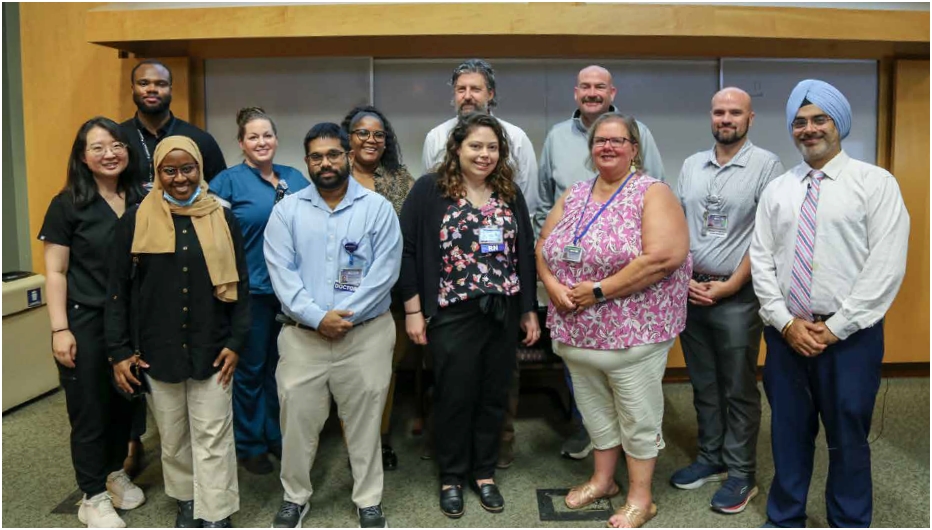
Beginning in November 2025, Upstate employees have come together to focus on quality through the Co-Elevate program. A series of monthly meetings that center on diverse topics, all related to quality, Co-Elevate brings senior leadership and frontline employees together to share their voices and help solve problems. The meetings include nurses, physicians, residents, fellows, pharmacists, environmental services workers, patient advocates and others.

“Co-Elevate is a link between the frontline workers who take care of patients and see quality concerns and the senior leadership,” said Dr. Gambhir. “We didn’t want another meeting to talk about quality metrics – we wanted a meeting to discuss the story behind what is happening and to work together to improve patient safety.”

Although the topics range widely, each one is always patient-centered, Dr. Gambhir said. All Upstate employees are invited to the meetings, which are held both in-person and virtually. Patient advocates and family advisors are also welcome as Co-Elevate panelists.
Despite being a relatively new program at Upstate, there are already tangible success outcomes. Dr. Gambhir highlighted new patient care huddles, an idea that came out of Co-Elevate meetings, in which all physicians and residents involved in a patient case will gather at the patient’s bedside together at the same time, helping to keep everyone on the same page. Another byproduct of the Co-Elevate program has been the implementation of Lean Six Sigma strategies in operating rooms for improved workflow efficiency. Overall, Dr. Gambhir said, Co-Elevate has helped create a more proactive culture at Upstate at all levels of the organization.

“We want to close the gap between how the work is imagined, and how the work is actually done,” stated Dr. Gambhir. “That’s where we’re heading. We want everyone to feel that we are all working together as a team.”

The Future of Quality at Upstate

Built upon guiding principles from leadership, it’s clear that Upstate’s focus on quality is steering the organization into the future. CEO Robert Corona, DO, MBA, continually presents quality as the “operating system” for the hospital, coordinating and connecting the functions of the entire enterprise. He also builds quality specifically into the strategic pillars he established when he first started as CEO: Quality, the Upstate Experience, Innovation and Sustainability and Growth.

“We can ask a quality question for each aspect of our strategy,” Dr. Corona added. “Are we delivering exceptional outcomes? Would we want this care for someone we love? Are we finding the best ways to operate? Are we building an organization that can fulfill its mission for generations? These are the questions that drive quality in every part of our system.”
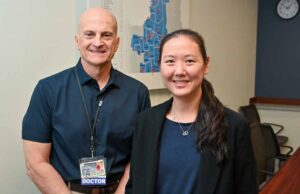
Related to the strategic pillar of the Upstate Experience, the conversations are happening. “The goal is that we keep on speaking up, and we develop an interdisciplinary collaboration in a psychological safe space,” said Dr. Gambhir. “No matter if it’s a nurse or a resident who is on their first day at work, or a physician who’s been with us for ten years, we can talk freely in front of everyone. It is proactive culture, every day we try to improve, and things get better and better.”

Dr. Tucker also emphasized teamwork and open communication as some of Upstate’s priorities related to quality.

“We know when teams get together and focus on a common goal, and everyone’s helping one another, we see better outcomes,” said Dr. Tucker. “To increase the robustness of our communication pathways, we’ll be rolling out some new technology to make it even easier to connect with people in the moment.”

Looking toward the future, perhaps the most central goal for quality at Upstate is making sure patients are aware of the quality that’s available to them at the hospital.

“We really provide quality care here at Upstate. We want to provide the best care we can for the people here in Central New York, and it’s important to us that our public face reflects this, and people feel comfortable and secure when they come to us,” said Dr. Tucker. “We want that reassurance for patients. We want them to have the peace of mind that if they need care, Upstate is the place to come.”

 

Food is Medicine

BY KATHRYN RUSCITTO, ADVISOR

The American Heart Association defines food is medicine as the provision of healthy food such as produce prescriptions, medically tailored groceries and medically tailored meals to treat, manage or prevent diet-related health conditions. We know that inner cities and rural communities often have poor access to stores or farmers markets, further complicating good food access when there is a health issue. In these circumstances we look to many community based organizations to fill those gaps.

Recently the increase in prices on all household goods has put a great deal of pressure on families and the elderly to adjust spending and for many that means cutting food expenses. USDA notes 14% of all households in the NYS as being food insecure. https://www.ers.usda.gov/topics/food-nutrition-assistance/food-security-in-the-us/interactive-charts-and-highlights

Our local library in Old Forge in the Adirondacks has a wall of food shelves at the entrance. Always open, it’s used anonymously by residents in need. Food pantries in churches and food banks also report seeing steady increases in demand. My concern is those individuals who are isolated or not connected to resources.

In doing research I had the opportunity to talk with Rachel Sherrow, Chief Operating Officer of Citymeals on Wheels. Citymeals located in NYC, serves over 22,000 residents each month. My interest was to understand new ways for people to access help, especially with frail elders. In addition I wanted to understand how “Food as Medicine,” projects were connecting with clinicians. Rachael shared,

“Questions about food insecurity and access to fresh produce should be a standard part of a physician’s intake with patients. The HFIAS (Household Food Insecurity Access Scale) can open avenues for referrals and resources for those who need better nutrition or accessibility and can be part of the solution to better health outcomes for so many, especially our most vulnerable populations.”

https://citymeals.org

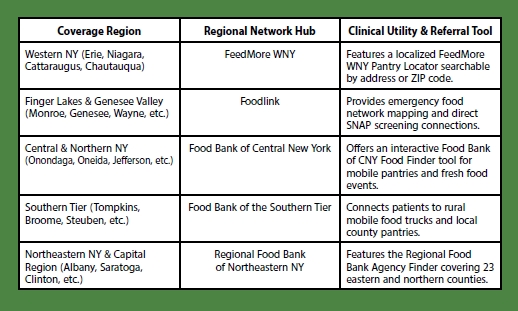
Citymeals has developed unique monthly boxes of supplies to allow additional meal access besides a home delivered traditional meal. They have found ways to close food gaps based on individual needs.

For office practices consider two simple food related questions on intake forms as a way to assess any food issues. Follow up linking a patient with 211NY.org or area churches, food banks and meal programs helps bridge an initial response to connecting a patient in need to resources.

Across Upstate NY there are resources unique to each community, but all share common missions to make food accessible to those in need. Consider how assessing this issue fits within your practice.


Navigating Physician Noncompete Clauses What’s Changing in New York by Brigid M. Maloney and Kennedy A. Farr

If you’re a physician, your employment agreement likely contains a noncompete clause, and the rules governing that clause may be changing. States across the country are limiting or banning physician noncompetes, and New York could be next.


WHERE NEW YORK STANDS TODAY

As of today, New York has no statute specifically governing physician noncompetes. As a result, courts generally apply a common-law test when disputes arise. Under BDO Seidman v. Hirshberg, 93 N.Y.2d 382 (1999), a restraint is reasonable only if it (1) is no greater than required to protect the employer’s legitimate interest, (2) does not impose undue hardship on the employee, and (3) is not injurious to the public. Violation of any one of these prongs renders the covenant invalid. Separately, the Reed, Roberts standard quoted in BDO requires the restriction to be reasonable in time and geographic area. New York courts have historically given employers somewhat more latitude when restricting competition among learned professionals, including physicians, within a confined area, but they still scrutinize the particular facts and circumstances. For physicians, the public-interest prong is especially important because restricting a physician can limit patients’ access to care. An overbroad covenant is not automatically void. A court may partially enforce it by narrowing the restriction if the employer acted in good faith, without overreaching or coercively using its bargaining power. But a court may strike it entirely where the employer overreached, such as imposing the covenant as a condition of hiring.

In Long Island Minimally Invasive Surgery, P.C. v. St. John’s Episcopal Hospital, 164 A.D.3d 575 (2d Dep’t 2018), the covenant barred the surgeon from performing any type of surgery for two years within 10 miles of any of the practice’s seven offices and affiliated hospitals, including locations where he had never worked. The court held that the restriction was geographically unreasonable because it effectively barred him from practicing surgery in the New York metropolitan area, which far exceeded what was necessary to protect the practice’s interests. The court declined to partially enforce the covenant because it was clearly overbroad, the practice required it as a condition of hiring from a superior bargaining position, and it refused to negotiate the restriction.

WHAT’S PENDING IN ALBANY

New York Senate Bill S4641 passed the Senate in June 2025 and, as of this writing, remains in the Assembly Labor Committee. It would ban noncompetes for physicians regardless of income while preserving an exception for the sale of a practice. Separate physician-specific bills (S9228/A10981) would also address repayment of bonuses and training costs when a physician leaves a hospital employer.

THE NATIONAL PICTURE

i. Arkansas, Massachusetts, New Hampshire, and Wyoming: Prohibit physician noncompetes.

ii. Virginia: Bans noncompetes for most licensed health care professionals as of July 1, 2026.

iii. Maryland: Prohibits noncompetes for health care practitioners earning under $350,000.

iv. Oregon: Voids most physician noncompetes with hospitals and management services organizations.

v. Florida: Moves in the opposite direction by making certain “covered” noncompetes fully enforceable if notice requirements are met.

PRACTICAL TAKEAWAYS

i. Check the length and radius. Limit restricted areas to offices where you actually work, not every location the employer operates.

ii. Watch for clawbacks. Some agreements require repayment of bonuses, relocation expenses, or training costs when a physician leaves—terms that can function as disguised noncompetes.

iii. Plan your exit if you sell a practice. Sale-of-business noncompetes are treated differently and are generally enforced more readily.

iv. Confirm which state’s law applies. If you practice near a state line, review the choice-of-law clause because it can affect your legal rights.

v. Get it reviewed. Because the law is changing quickly, have your agreement reviewed by a legal professional before signing or giving notice.

Please note that this article is for general informational purposes only, is not legal advice, and does not create an attorney-client relationship. Because each situation is unique, the information is general in nature and should not be considered a substitute for legal counsel. Readers should not take, or refrain from taking, any action based on the information in this article without first seeking legal advice from competent counsel.

Marching Toward One Million:Why Pain-Management Education Should Begin Before Surgery

Each year, millions of Americans undergo surgery, and more than half receive an opioid prescription. Yet one of the most important parts of the surgical journey is often overlooked: how pain will be managed afterward. For years, opioids have played a prominent role in postsurgical pain management. Today, advances in medicine offer more ways to manage pain effectively while reducing unnecessary opioid exposure when appropriate. As these options continue to evolve, patients deserve to understand the choices available to them.
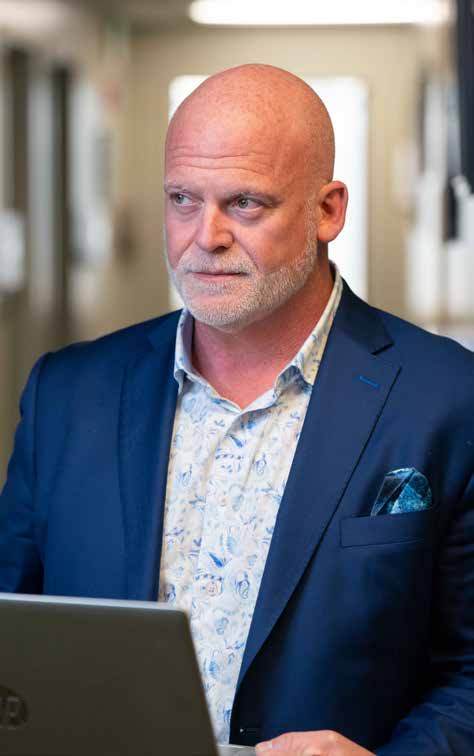
As an orthopedic surgeon, I’ve seen pain management practices evolve throughout my career. Early in my training, postsurgical recovery followed a largely uniform pattern: a patient had surgery, and an opioid prescription followed almost automatically. It was rarely presented as a choice; it was simply standard practice. Over time, that approach has become more nuanced, with greater emphasis on tailoring pain management plans to each patient’s needs. While every recovery is unique, the goal remains the same: helping patients recover comfortably, safely, and confidently. That’s why these conversations should begin long before surgery. When patients understand the full range of available options, including non-opioid therapies, they are better equipped to make informed decisions with their healthcare team.

Pain management remains one of the most overlooked parts of the surgical journey. Patients may spend weeks preparing for the procedure itself by researching providers, learning about the operation, arranging time away from work and figuring out support at home. Yet, the discussion of how their pain will be managed afterward is often condensed into a brief exchange shortly before discharge. This is not a failing of any individual provider; it reflects the time constraints clinicians face when communicating complex information. As a result, some patients may leave the hospital without fully understanding the options available to them.

A Mission Beyond the Operating Room

My passion for improving patient education around surgical recovery inspired me to launch March2AMillion, a nationwide initiative with a bold goal: helping one million patients recover from knee or hip replacement surgery with little to no opioids. Through work with hospitals, healthcare organizations, community events and patient advocacy groups across the country, the initiative raises awareness of today’s pain management options and encourages patients and providers to begin these conversations before surgery, not after.
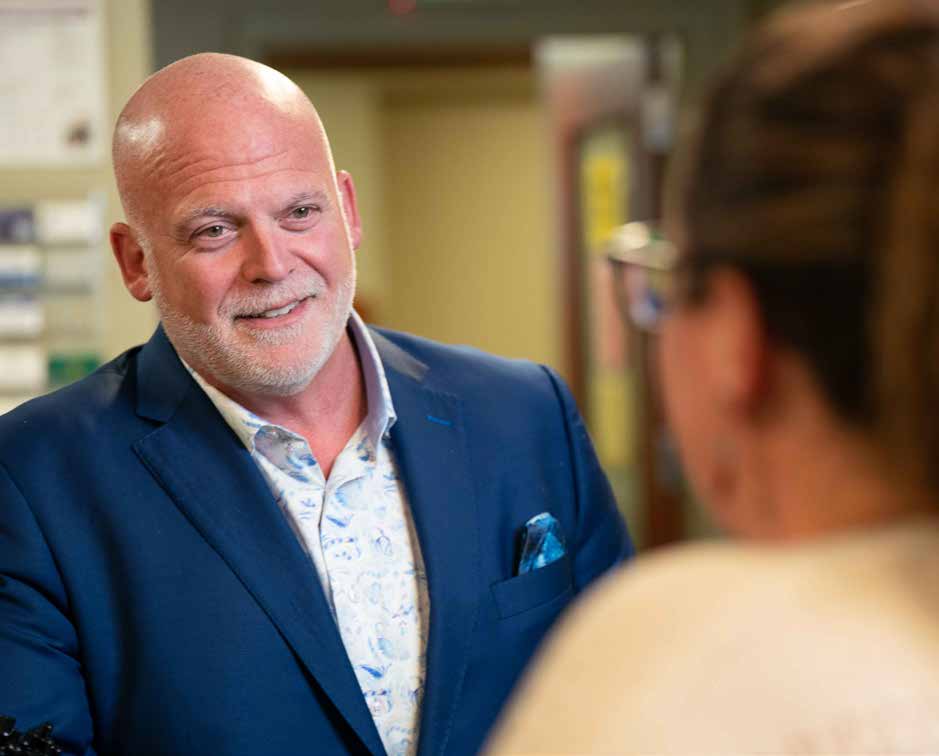
The initiative grew out of a recurring pattern I saw in clinical practice. Patients would return for follow-up visits asking questions that should have been addressed before they entered the operating room. Could opioids have been avoided? Why were other pain-management options not discussed? By the time these questions arise, the opportunity to make a different choice has often already passed. March2AMillion is designed to shift that timeline so that these conversations happen during preoperative visits rather than after surgery.

One of the most common things I hear from patients is that they didn’t realize they had a choice. Many assume opioids are an expected part of recovery, often based on what they have heard from friends and family or experienced during a previous surgery. While opioids continue to play an important role in postsurgical care, today’s pain management landscape also includes non-opioid therapies that may be incorporated into individualized treatment plans when appropriate.

These options may include long-acting local anesthetics, regional nerve blocks, other non-opioid analgesics and multimodal approaches that address pain in different ways. When patients understand what is available, they can ask better questions, have more productive conversations with their providers and better understand what their recovery may look like.

Awareness Drives Better Decisions

Innovation alone isn’t enough if patients do not know their options. Education remains one of the most powerful tools we have. By encouraging patients to ask what pain management options are available, whether non-opioid therapies may be appropriate and what to expect during recovery, we can support a more informed and collaborative approach to care.

Even modest shifts in when these conversations happen can make a meaningful difference. When a patient enters a preoperative appointment having already considered a few key questions, the discussion with their surgical team becomes more substantive. It moves beyond a one-way delivery of instructions and becomes a genuine dialogue. In turn, the patient’s preferences, medical history, and any concerns about opioid use – whether rooted in past experiences, family history, or a desire to minimize exposure – are factored directly into the treatment plan. This kind of shared decision-making can help patients feel more informed and prepared as they head into surgery.
Through March2AMillion, I’ve had the privilege of meeting healthcare professionals and patients across the country who share the same goal: improving recovery through education, innovation, and personalized care. Whether I am speaking with providers about introducing non-opioid options earlier or with patients navigating their recovery, these conversations reinforce my belief that meaningful change begins with awareness. They also show that progress depends not only on new drugs, devices or protocols, but on earlier, and more open communication between patients and providers.

Thoughtful conversations about postsurgical pain management can also help patients understand the risks and potential side effects associated with opioids, including misuse, nausea and constipation. When patients and providers discuss the full range of available strategies, they can develop a plan that balances effective pain management with each patient’s needs and preferences. As non-opioid pain management continues to advance, we have an opportunity to redefine what patients expect from recovery. My hope is that every patient feels empowered to discuss their options before surgery and work with their healthcare provider on a pain management plan tailored to their individual needs. This is not about replacing one default with another; it is about replacing the notion of a default altogether with individualized plans built on open communication.

By continuing to educate, advocate, and encourage open dialogue, we can support efforts to reduce unnecessary opioid exposure while helping patients make informed decisions with their healthcare providers. One million conversations might seem ambitious, but each one begins the same way: with a patient asking what their options are and a provider taking the time to explore that with them. Learn more about my mission at March2Amillion.com.

This article is sponsored by Pacira BioSciences Inc. Dr. Andrew Wickline is a partner of Pacira BioSciences.

2026 Pacira Pharmaceuticals, Inc., a wholly owned subsidiary of Pacira BioSciences, Inc.

PP-NP-US-2010 08/26

Dr. Jonathan Huang: Filling the Gap in Gastroenterology and Hepatology Care at ACH

By Elizabeth Landry

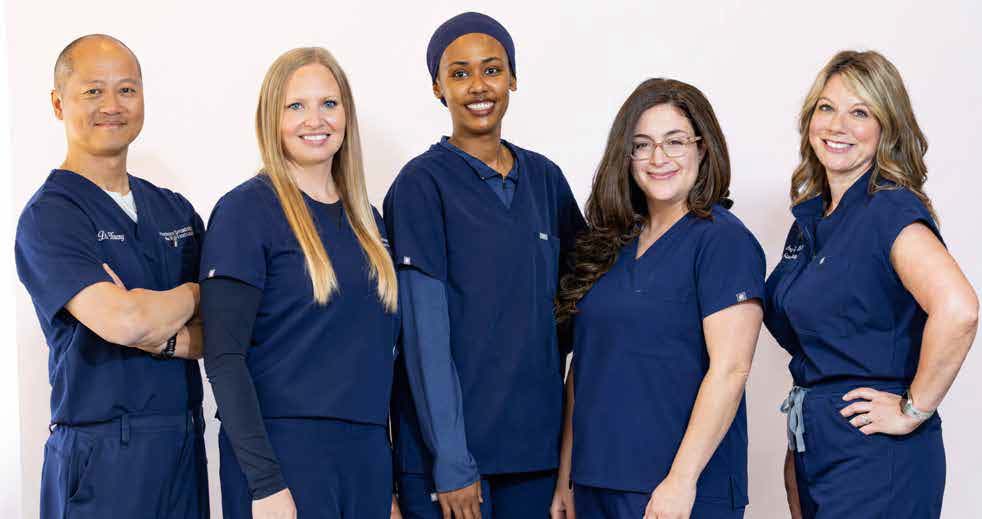
When Jonathan Huang, DO, AGAF, FAASLD joined Auburn Community Hospital (ACH) in January of this year, his arrival helped meet a significant need in specialized patient care. A board-certified hepatologist and gastroenterologist who serves as Chief of Auburn Gastroenterology at ACH, Dr. Huang helps alleviate the significant shortage of hepatologists across Upstate New York, including the Central and Southern Tier regions outside the city of Rochester.

“I wanted to help address that need by partnering with local community providers and bringing specialized hepatology care directly to patients,” Dr. Huang said of his decision to practice medicine at ACH.

A Rochester native with more than 20 years of medical experience including highly specialized expertise in liver disease, Dr. Huang also practiced at the University of Rochester Medical Center for 15 years as a Transplant and General Hepatologist, where he was an Associate Professor of Medicine and Director of the Digestive and Liver Disease Center for Research. He felt drawn to ACH, which he describes as an “ideal fit”, because of a desire to have a meaningful impact on the surrounding area.

He and the hospital’s administration “shared a strong vision for growth and saw an opportunity to expand specialty services,” said Dr. Huang. “It was an environment where I felt I could both provide high-quality subspecialty care and help build something meaningful for the community.”

Improved Access to Care

A big reason Dr. Huang desired to practice medicine at ACH is the hospital’s central location, which makes it accessible to patients throughout the region. Since he joined the team, a top focus has been making the patient experience as streamlined and accessible as possible, from the initial referral through diagnostic testing and endoscopic procedures, as well as increasing access to gastroenterology and hepatology clinics. Direct-access colonoscopy is one example of how this growth in services has directly impacted patients at ACH.

“For appropriately selected, low-risk anesthesia patients, we can schedule the procedure directly without requiring an unnecessary pre- or post-procedure clinic visit,” Dr. Huang explained. “This can significantly reduce barriers to care and improve access to colonoscopy, while also allowing our clinic appointments to be available for patients who truly need a gastroenterology or hepatology consultation.”

The Auburn Gastroenterology & Hepatology practice at ACH is also offering exciting new technologies that represent an important expansion of the diagnostic capabilities available to patients in the surrounding community, Dr. Huang said. QuinTron Breath Testing and Mindray VCTE technologies are now available at ACH, designating the hospital as a destination for specialized diagnostic services. ACH is also the first location in New York State outside of New York City to offer Mindray VCTE.

“[These technologies] are at the forefront of their respective fields and provide valuable tools for the diagnosis and risk stratification of certain disease processes that previously required patients to travel outside the region,” stated Dr. Huang.

Building Trust and Relationships

Collaborating and building relationships with other local healthcare providers is a central priority for Dr. Huang alongside expanding direct access to patient care. Recognizing the complex nature of the healthcare system, Dr. Huang believes the best care is provided when physicians and healthcare providers work together to deliver comprehensive, coordinated care.

“We often talk about the importance of building trust in the doctor-patient relationship, but I believe it is equally important to build trust among local healthcare providers,” he said. “I’m committed to developing those relationships so that we can communicate effectively, streamline care, and give both patients and referring providers confidence that they are receiving the best possible care.”

Ultimately, Dr. Huang said, his goal is to make the healthcare system feel more connected and seamless for both patients and the providers caring for them. An important part of this collaborative approach is also developing and maintaining close working relationships with larger institutions, such as the University of Rochester Medical Center.

“By serving as a local access point and maintaining strong connections with these centers, we can help patients navigate more complex care when needed, including facilitating access to specialized services such as liver transplantation,” he explained.

Advancing into the Future

Surveying exciting developments on the horizon within both gastroenterology and hepatology, Dr. Huang said he envisions each field becoming increasingly personalized, preventative, and technology driven. Within hepatology, advancements are leading to earlier identification and treatment of chronic liver disease, primarily regarding metabolic dysfunction-associated steatotic liver disease (MASLD), before patients develop advanced fibrosis or cirrhosis. Additionally, Dr. Huang anticipates advancements in noninvasive biomarkers and imaging technologies will aid in identifying risk and guiding treatment while decreasing reliance on invasive testing.

In the field of gastroenterology, areas such as polyp detection, pathology interpretation, and clinical decision support are being bolstered by the development of artificial intelligence as an adjunct to clinical care. Dr. Huang emphasized the importance of remaining thoughtful about how providers utilize such technologies and preserving both clinical judgment and the physician-patient relationship.

“We’re seeing major advances in areas such as endoscopy, noninvasive assessment of liver disease, biologic therapies, and targeted treatments, and I expect those trends to continue,” Dr. Huang said. “Ultimately, I think the future of GI and hepatology will be about combining these advances with personalized, patient-centered care. Innovation in our field can translate directly into earlier diagnosis, better treatment, and ultimately better outcomes for patients.”

No matter which direction the fields of gastroenterology and hepatology progress into, however, Dr. Huang remain excited about the future of his practice at ACH. Most exciting to him, he said, is being part of a tight-knit community that grows together while delivering specialized care at the forefront of medicine.

“There is a real opportunity to expand access to advanced gastroenterology and hepatology services while maintaining the personable, community-focused culture that makes ACH special,” said Dr. Huang. “Being able to contribute to that growth while building lasting relationships with patients and local providers is what I find most rewarding.”

UHS Focused Ultrasound Program Expands Treatment Options for Patients with Essential Tremor and Parkinson’s Disease

INCISIONLESS OUTPATIENT PROCEDURE DELIVERS SUSTAINED TREMOR IMPROVEMENT AND FUNCTIONAL GAINS

   For patients across Upstate New York, living with Essential Tremor and Parkinson’s Disease, a treatment once confined to a handful of academic centers in large urban areas is within reach at United Health Services (UHS) in Binghamton, NY: magnetic resonance–guided focused ultrasound (MRgFUS). This technology delivers hundreds of ultrasound beams through the skull, guided by MRI, to a millimeter-scale target deep in the brain, generating enough heat to create a precise therapeutic lesion—without an incision, a burr hole, anesthesia, or ionizing radiation. UHS was the first healthcare system in Upstate New York to offer MRgFUS. Since launching the program in December 2024, UHS has treated more than 180 patients. More than 30,000 MRgFUS procedures have been performed worldwide.

MRgFUS, commonly referred to as Focused Ultrasound, is FDA-approved for the treatment of Essential Tremor and Tremor-Dominant Parkinson’s Disease. The initial FDA approval in 2016 covered unilateral thalamotomy of the ventral intermediate nucleus for the dominant hand. Because most patients with Essential Tremor have bilateral symptoms, a multicenter trial of staged bilateral thalamotomy was subsequently completed, and its results supported FDA approval of staged bilateral ablation for Essential Tremor in 2022 (Kaplitt et al., JAMA Neurology, 2024). FDA approvals for Tremor-Dominant Parkinson’s Disease subsequently occurred in 2018 (unilateral tremor), 2021 (unilateral motor complications), and 2025 (staged bilateral motor complications).

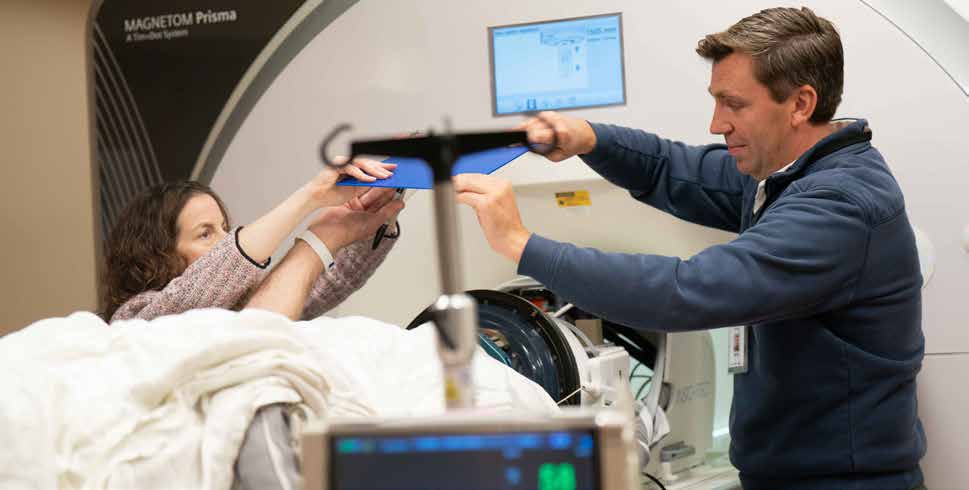
An incisionless alternative to open surgery, Focused Ultrasound is performed inside an MRI scanner, which provides real-time target definition, treatment planning, and closed-loop thermometry so the Neurosurgeon can monitor tissue temperature and lesion location as energy is delivered in an awake patient. That “triple feedback” of immediate clinical response, live thermography, and anatomical imaging allows low-temperature test sonications to confirm clinical benefit and identify potential adverse effects before creating a permanent lesion, offering an advantage over the delayed and less predictable effects of radiosurgery (Krishna et al., JAMA Neurology, 2018). Unlike deep brain stimulation, Focused Ultrasound does not require cranial surgery, implanted hardware or ongoing device management. The procedure is performed on an outpatient basis and patients typically experience improvement immediately following treatment.
Focused Ultrasound is generally well tolerated by patients. The most common early adverse effects are gait disturbance and paresthesias, which tend to subside over time; other reported effects include dysarthria, ataxia, taste disturbance, and speech difficulty (Hamani et al., Journal of Neurosurgery, 2026). In the real-world staged bilateral cohort, approximately 45% of patients reported at least one adverse event within six months—most commonly sensory disturbance (27%), instability (12%), and dysarthria (12%)—with nearly all events characterized as mild (Vilas et al., Movement Disorders, 2026). Clinicians should counsel patients that bilateral treatment carries a somewhat higher adverse-event rate than unilateral ablation, historically driven by speech and balance effects, which is why bilateral procedures are staged (Kaplitt et al., JAMA Neurology, 2024). 

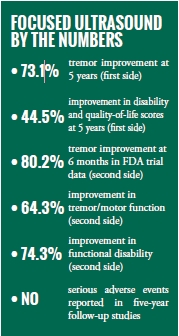
Clinical studies continue to demonstrate durable outcomes. Five-year follow-up data following first side treatment showed a 73.1% improvement in tremor severity, a 44.5% improvement in functional disability and quality-of-life measures and no serious or delayed adverse events. 
FDA clinical trial data for second-side treatment demonstrated an 80.2% improvement in tremor severity at six months, as well as improvements of 64.3% in tremor and motor function and 74.3% in functional disability, reflecting meaningful gains in patients’ ability to perform daily activities independently.

“Because we were the first program in Upstate New York to offer this technology, we have developed significant experience in treating patients with Focused Ultrasound,” said Simone Betchen, MD, MBA, Chief of Neurosciences/Attending Neurosurgeon. “That experience allows us to refine patient selection, enhance outcomes and deliver an exceptional patient experience with care close to home.”

During evaluation, patients undergo imaging studies, including an MRI and CT scan, to assess skull characteristics necessary for treatment. Certain implanted devices and medical conditions may affect eligibility, although ferromagnetic implants, including some pacemakers, do not automatically exclude patients from consideration. With no upper age limit for treatment, Focused Ultrasound expands treatment access for patients who may not be candidates for more invasive procedures. The treatment is covered by Medicare, Medicaid and most commercial health insurance plans.
Essential Tremor affects approximately 2% of the population and is nearly 10 times more prevalent than Parkinson’s Disease. The condition can significantly impact an individual’s quality of life, interfering with activities of daily living, employment, communication and hobbies. Although medications can be effective initially, many patients experience diminishing benefit over time or develop intolerable side effects. Similar challenges occur in patients with Tremor-Dominant Parkinson’s disease, creating a need for alternative therapies.
Potential candidates generally should:

  • Be at least 22 years old for treatment of Essential Tremor or at least 30 years old for treatment of Tremor-Dominant Parkinson’s Disease

  • Have disabling tremor or tremor impacting activities of daily living, despite medical management

  • Be able to tolerate MRI imaging without significant claustrophobia

  • Be able to remain still for approximately one to two hours

  • Be able to communicate throughout the procedure

  • Meet MRI safety requirements

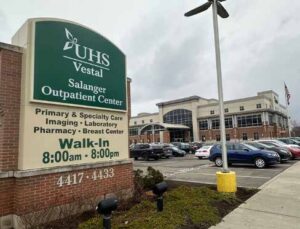
“The Focused Ultrasound procedure is performed at the UHS Salanger Outpatient Center located in Vestal, while initial evaluations and follow-up visits may occur in-person at UHS Neurosurgery in Johnson City or via telehealth,” said Betchen.” “Patients may be referred by a neurologist or primary care physician, or they may self-refer through our website.
“As Focused Ultrasound technology becomes more widely available across Upstate New York, primary care physicians, neurologists, and movementdisorder specialists have an evidencedbased, safe and incisionless treatment option for patients whose symptoms remain inadequately controlled with medication and who may not be candidates for invasive surgery,” said Kate Foxx, MD, Attending Neurosurgeon.

UHS is the Southern Tier’slargest and most comprehensive healthcare system. UHS Neurosurgery offers the region’s most comprehensive brain and spine care program, built on more than 40 years of leadership in the field and offers comprehensive adult neurosurgical care, including cranial and spine surgery for cerebrovascular disease including open vascular and endovascular treatment of aneurysms, brain and spine tumors, degenerative spine disease, spine deformities, and neuromodulation. UHS is also Joint Commission certified as a Comprehensive Stroke Center and Core Spine Surgery program. 

For more information, call 607.763.5404 or visit nyuhs.org/focused-ultrasound. Referrals may be faxed to 607.203.4245.

Q&A with Dr. Nicholas Massa Vice President, Chief Medical Officer, Excellus Bluecross Blueshield Why Deeper Provider Partnerships Matter

Strong partnerships between local health plans and community providers are essential to building a more connected health care system. When providers, hospitals, and health plans work together, they can improve care coordination, reduce fragmentation, and create a better experience for patients and clinicians alike.

At a time when health care costs continue to rise, collaboration also presents an opportunity to simplify care delivery and address local health care challenges in meaningful ways.

Few people understand the importance of provider collaboration better than Dr. Nicholas Massa, vice president and chief medical officer for Excellus BCBS. As a local physician and health care leader in Central New York, Dr. Massa has seen firsthand how stronger alignment between providers and health plans can support better patient outcomes and reduce barriers to care. Below, he shares his perspective on the value of deeper partnerships.

What benefits can result from increased collaboration between health plans and providers?

Dr. Nicholas Massa: Patients have long told me that navigating the health care system can feel fragmented and disconnected. Stronger collaboration creates better alignment between physicians, hospitals, care teams, and health plans around a shared goal: delivering the best possible, high-quality care for our patients.

When organizations work together more effectively, providers and health plans gain greater access to tools and resources that support patient care, including enhanced care management, more actionable data, and better visibility into services patients receive across care settings. Ultimately, that means less time spent navigating the system and more time focused on patients.

What impact can these partnerships have on administrative burden?

Dr. Nicholas Massa: I often hear from providers that administrative complexity remains one of the biggest challenges they face today. Through stronger relationships and better information sharing, we have opportunities to streamline processes and reduce unnecessary administrative work.

The goal is simple: make it easier for providers to deliver high-quality care and easier for patients to access the services they need.

What does success look like?

Dr. Nicholas Massa: Success means healthier patients, fewer preventable complications and hospitalizations, and a health care system that better supports coordinated, high-quality care. It means providers and health plans working together to address the needs of the communities they serve.

Most importantly, success is measured by the experience of our patients. When care is easier to navigate, more integrated, and focused on the whole person, we create better outcomes and a stronger health care system for everyone.

No single organization can solve today’s health care challenges alone. By strengthening partnerships across our provider community, we can create a more seamless, patient-centered health care experience and build a healthier future for the people we serve.